Creating a Cozy Combined Living and Dining Room in an Open Floor Plan
So, there I was, curled up on the couch in my pajamas, coffee steaming in my oversized mug, staring at the laundry that had mysteriously formed a mountain in the corner of my combined living and dining room. You know how they say, “a tidy space equals a tidy mind”? Well, someone forgot to mention that when you have an open floor plan, that mountain is a bit harder to ignore while you’re trying to enjoy your Sunday morning.
But here’s the beauty of an open floor plan: it beckons connection. The smell of bacon frying in the kitchen mixes with the aroma of my coffee, and there’s a clear view of my favorite bookshelf, which is always a precarious balance of caffeine-fueled reading materials and—let’s be honest—dust bunnies. So, why not embrace that cozy chaos? Today, I’m going to share some tips for making your combined living and dining room shine in all its open-floor glory. Seriously, I promise it’ll be more fun than tackling that laundry!
Embrace Functional Yet Stylish Furniture
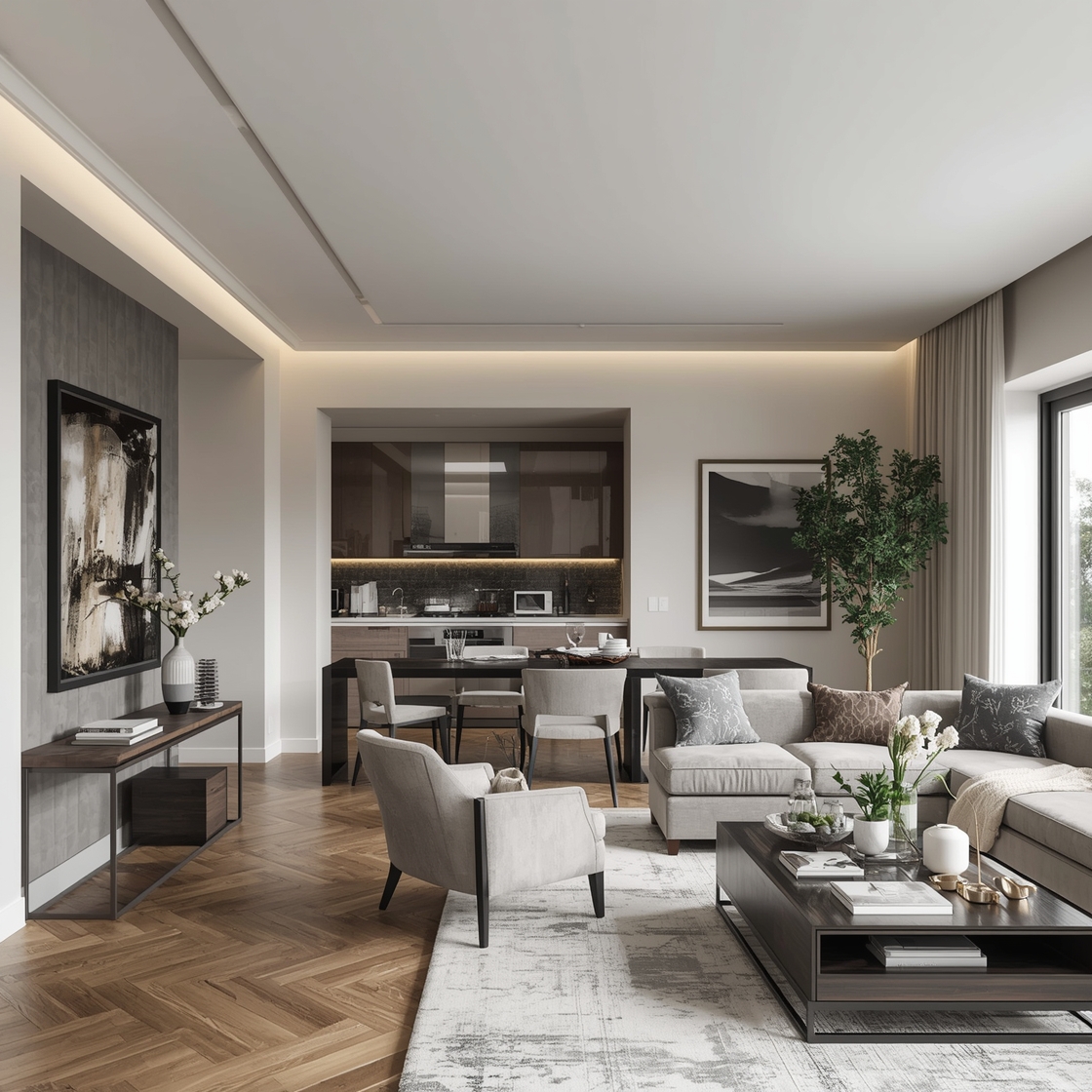
The first step in ensuring that your open floor plan doesn’t feel like a never-ending echo chamber is to choose furniture that serves a purpose yet speaks to your style. Let’s be real: Centering your entire aesthetic around “that couch” you found on sale at IKEA is a little like wearing last year’s jeans with a new top. Sure, you can pull it off, but do you really feel good about it?
Multi-use Pieces: Look for coffee tables that convert into dining tables (yes, they exist!). I found one that folds up like a transformer—one minute it’s hosting my coffee and croissant, and the next it’s a feast-ready table for a dinner party. Talk about versatile!
Bold Statements: Opt for a couch that maybe isn’t your traditional beige. Maybe it’s a deep forest green? Or something with an eye-catching pattern? Just be careful—it can’t be so bold that it fights for attention against your mother’s vintage china on display.
Create Distinct Zones with Area Rugs
One of the joys of an open floor plan is that it can feel expansive, but that can quickly turn to confusion when it feels like everything is spilling into each other. Enter area rugs! They’re basically the bouncers of your living room—keeping the areas organized without a single “sorry, you’re not on the list” comment.
Pick Complementary Colors: Your living space might be sporting warm yellows, while the dining area shimmers with cool blues. Snag a rug that skillfully ties these palettes together. A fave? A muted patterned rug adds depth while maintaining cohesion!
Regulate Size: I once bought a rug that was half the size of my sofa. I won’t name names, but let’s just say it was a “mistake.” Make sure it anchors your furniture—in the realm of rugs, size matters!
Play with Lighting
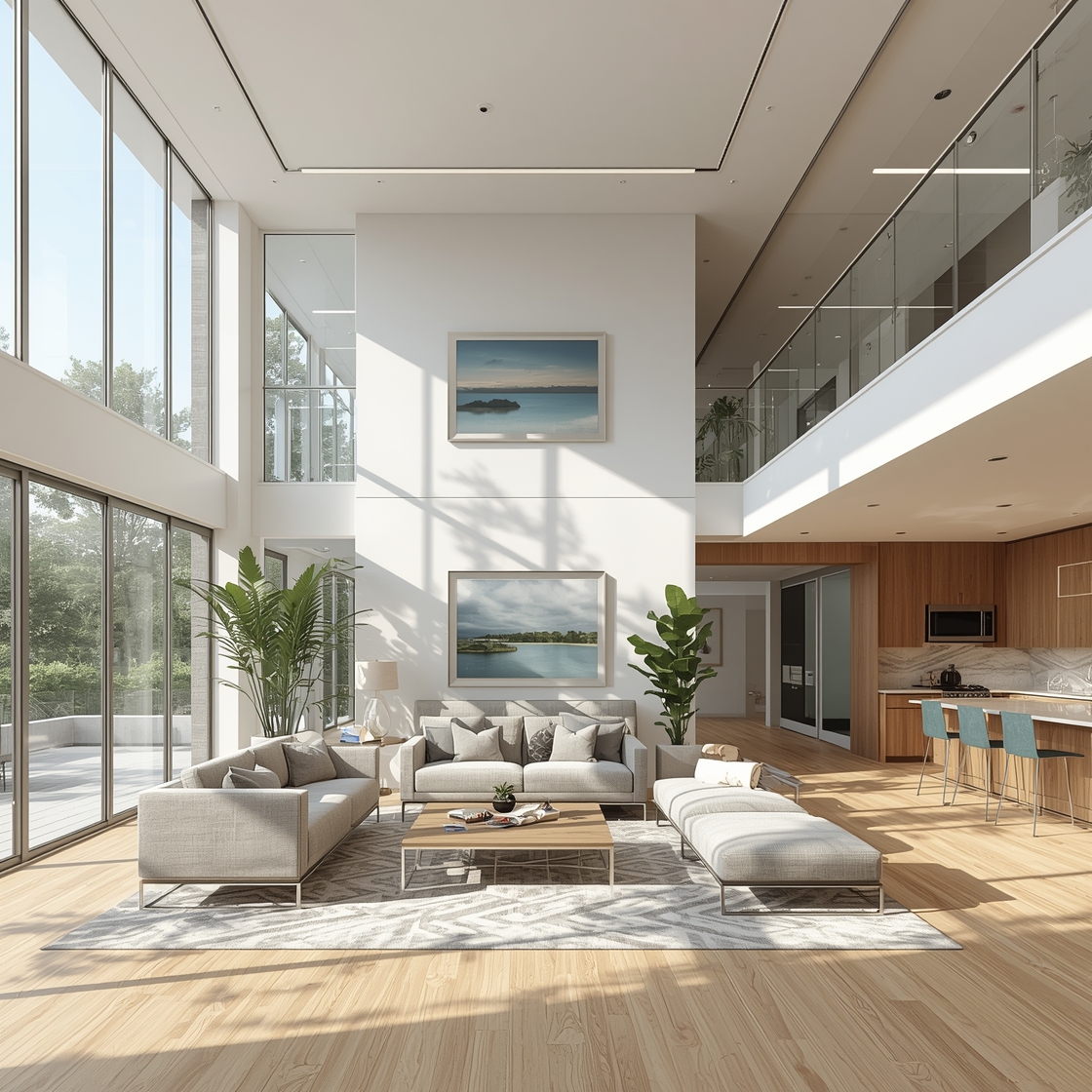
Ah, lighting! It’s the unsung hero of every room. Let it cast a warm glow, and your space transforms into a cozy nook begging for evenings filled with laughter and too much dessert. Let’s consider a few quirky options:
Layered Lighting: Utilize pendant lights above your dining table while keeping softer ambient lights around your living area. My friend Sarah has cute string lights crisscrossing above her eating area. It feels like you’re dining under the stars—without the mosquitoes!
Task Lighting: Don’t forget reading lamps for your living room. Trust me; it’s a lifesaver during those “just one more chapter” moments. I’ve caught myself reading until 3 AM more than once—it’s a struggle, folks.
Add Personal Touches
In an open floor plan, it’s easy for the space to feel a tad sterile or impersonal. You want your guests to walk in and get a whiff of who you are without being smothered by doilies or mismatched decor. Cue the personal touches:
Gallery Walls: Display your travels! That photo of you and your best friend posing awkwardly next to that giant potato statue? It deserves a place on the wall! Mix and match frames, and don’t worry about being uniform. It’s your art gallery.
Books and Knickknacks: Stack a few of your favorite reads on side tables. Balance them atop that wobbly IKEA table I mentioned earlier (my friends have threatened to “reorganize” it multiple times). Include a few quirky items that make people smile—like that funky cactus you bought on a whim.

Think About Cohesive Color Schemes
Okay, confession time. I once thought I could mix every color under the rainbow in one room. Spoiler alert: it didn’t look as artsy as I hoped. Choosing a cohesive color scheme can make your space feel put together without turning into a color-fighting arena.
Select a Neutral Base: Start with soft, neutral tones for larger items—think sofas and walls. You want these to be versatile enough to play nicely with splashes of color from pillows, art, or even your dramatic drinkware from Anthropologie.
Accent Colors: Go for a bold accessory—maybe a vibrant yellow or deep burgundy—as accents. Trust me, they’ll become focal points rather than random splashes.
Ensure Flow and Accessibility
In an open floor plan, the way your furniture is arranged can either complement or hinder movement—and let’s be honest, no one wants to navigate an obstacle course just to get to the snack table.
Position for Conversation: I’ve been to too many gatherings where people stick to the edges of the room like it’s a dance floor. Create inviting spots for chatter. Set your couches and chairs close, so guests can lean over and spill their tea without hitting the floor.
Keep Pathways Clear: Leave at least two feet of space near furniture for smooth traffic flow. Trust me, you’ll be grateful when someone (probably me) needs to make an emergency snack run.
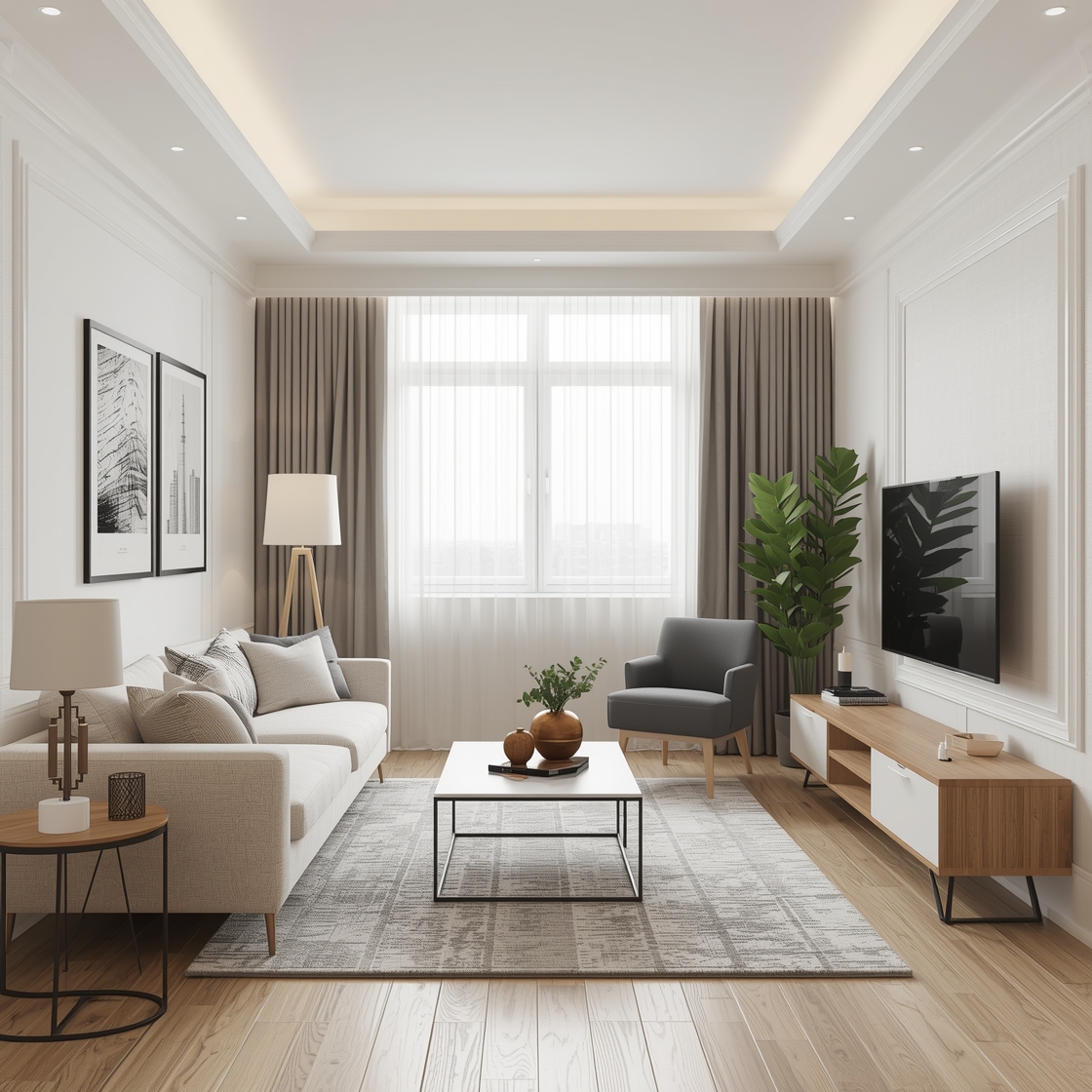
Accessorize with the Seasons
Your home’s heartbeat changes with the seasons—even in a combined living and dining area. It’s like your space dressing up for a party!
Seasonal Decor: Swap out pillow covers and throws according to the season. In fall, wrap your couch in warm oranges and deep reds, while the summer might call for breezy whites. It’s like a wardrobe change without the drama of laundry!
Fresh Florals: Nothing says “welcome” like fresh flowers on your dining table. I sometimes just grab whatever blooms are available—like daisies or whimsical wildflowers—because they always bring a bit of joy and personality.
Conclusion: The Heart of Your Home
So, here we are: you’ve got some solid tips to help turn that open floor plan into a comforting patchwork of lived-in love. I’ll admit, I’m still a work in progress—my pile of laundry is still staring at me from the corner—but this combined living and dining room has become my favorite hangout because of those little touches.
Take your time. Personalize it. After all, the heart of the home often resides in those quirky, imperfect little details that make it uniquely yours. And hey, if all else fails, just pour another cup of coffee and give that laundry a friendly glare. You’ve got this!