
Small rooms can look breathtakingly expensive when every inch works as hard as a couture seam. You don’t need square footage to create presence—you need clarity, contrast, and a few elevated decisions. This guide distills small space decor that feels luxury into smart, doable moves that transform tight quarters into polished sanctuaries.
Whether you’re optimizing a studio or refining a petite living room, the goal is the same: curate scale, texture, and light so the eye reads intention rather than limitation. Below, seven editor-approved strategies (and what to avoid) to help your compact space look and live like it belongs in a design magazine.
1. Curate Scale With Purpose, Not Fear
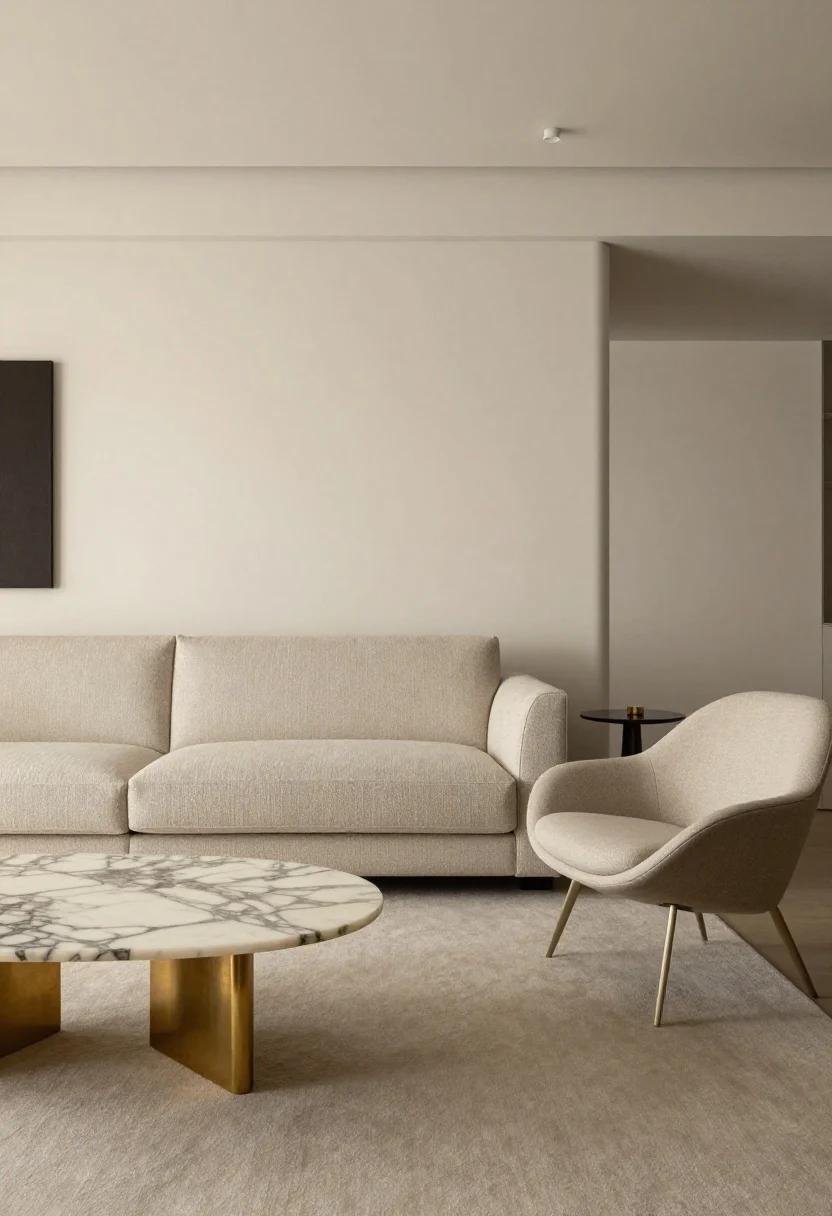
Luxury isn’t timid. In a small room, undersized furniture can actually make the space feel more cluttered because your eye has to process too many little pieces. Choose fewer items with cleaner profiles and slightly larger scale. The result is visual calm and a sense of confidence—two hallmarks of a high-end interior.
Which Home Upgrade Does Your Space Really Need?
Answer 5 quick questions to discover the ideas that will work best for your home.
How to get it right
- Anchor with one statement piece. A tailored sofa or sculptural lounge chair establishes authority and sets proportion for the rest of the room.
- Streamline silhouettes. Opt for tight-back sofas, armless slipper chairs, or club chairs on legs to reveal more floor. Visible floor equals perceived square footage.
- Choose slim but substantial. A delicate pedestal dining table or a thin-framed coffee table with a weighty marble top keeps airiness without feeling flimsy.
What to avoid: Sets of tiny accent tables, overstuffed roll-arm sofas, or fussy tufting that crowds the eye. If a piece reads “bulky” or overly ornate, it will feel bigger—and not in a good way.
Shop smart: Look for compact sofas (70–80 inches), slipper chairs, pedestal tables, nesting tables, and metal-framed consoles.
2. Layer Light Like a Boutique Hotel
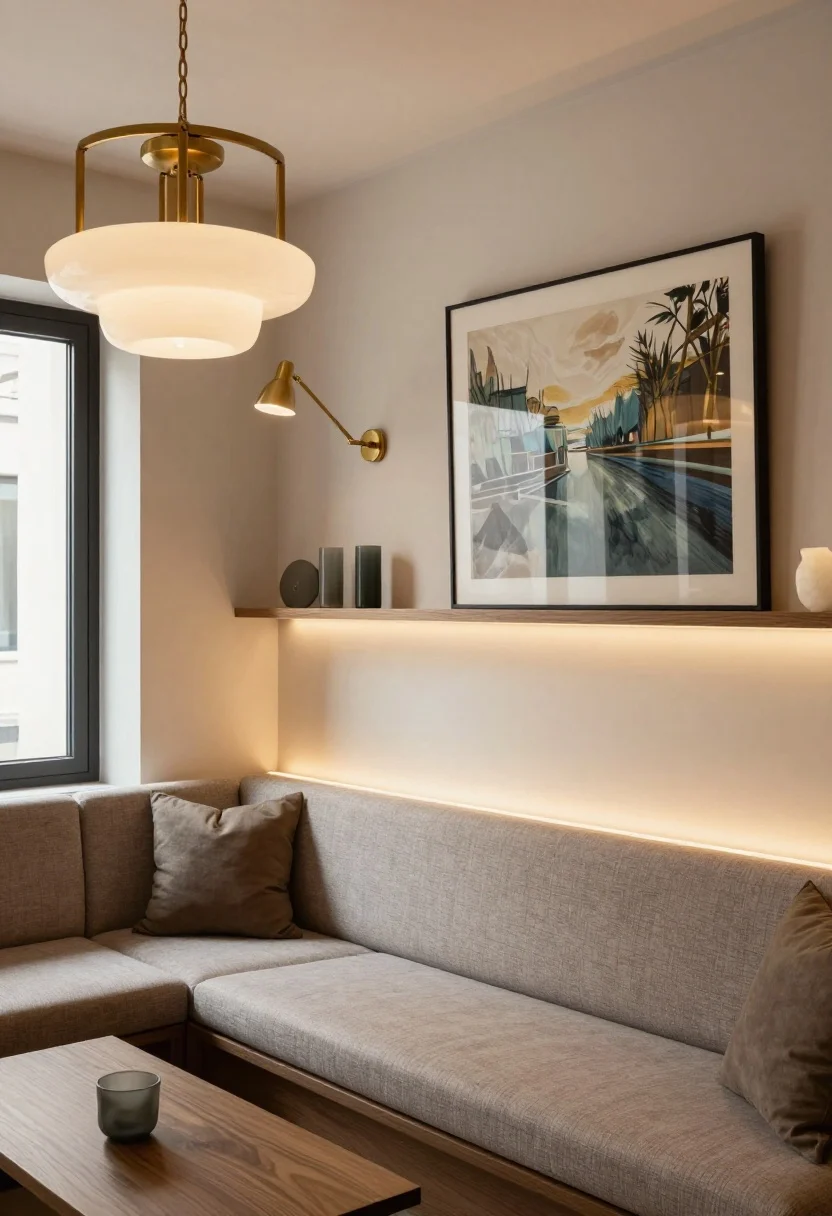
Flat light flattens everything it touches. Luxury rooms glow because they use layered lighting—ambient, task, and accent—so surfaces read richer, shadows are soft, and materials take center stage. In small spaces, strategic lighting expands volume and drama without adding clutter.
How to get it right
- Start at the ceiling. Replace a builder-grade fixture with a flush-mount or semi-flush chandelier in brass, alabaster, or smoked glass. A high-quality diffuser softens the entire room.
- Float your task lights. Plug-in sconces free up surfaces while framing art, mirrors, or the sofa. Swing-arm designs add motion and architectural interest.
- Wash the walls. Picture lights, LED cove strips on shelving, or backlit mirrors create a luminous envelope that visually “pushes out” the boundaries.
- Dim everything. A dimmer makes even modest fixtures feel luxe by letting you tune the mood from day to evening.
What to avoid: One lonely overhead light and harsh blue LEDs. Aim for warm temperatures (2700–3000K) and consistent color across fixtures for a cohesive glow.
Shop smart: Flush-mounts, sculptural table lamps, plug-in sconces, picture lights, and LED strip lighting.
3. Elevate Materials and Texture for Quiet Opulence
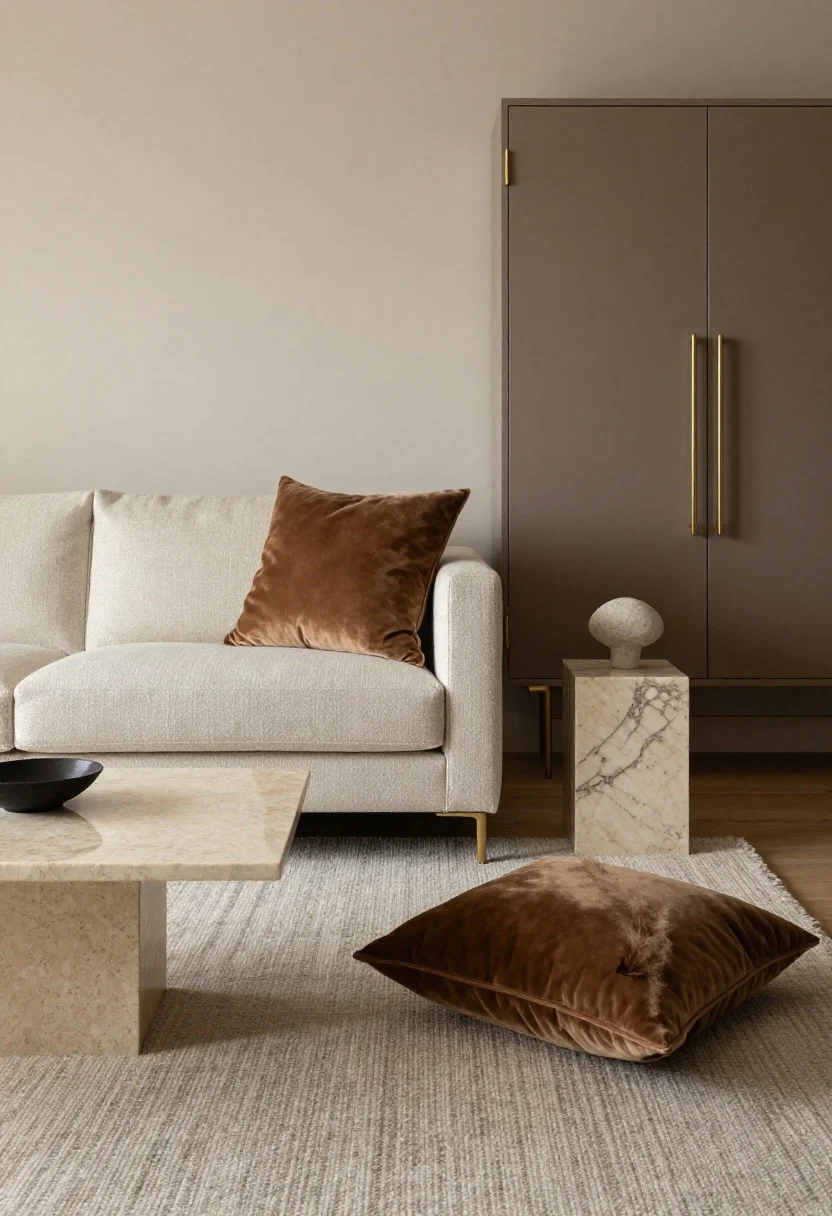
Texture is your most reliable small-space luxury move. When the footprint is tight, the tactile story must be rich: think bouclé, mohair, silk-blend curtains, veined stone, honed travertine, burnished brass, fluted wood. These materials catch light and shadow, adding depth where square footage cannot.
How to get it right
- Mix sheen levels. Pair matte walls with a satin-finish cabinet and a lustrous velvet cushion. Contrast makes every finish read more intentional.
- Ground with a plush rug. A hand-tufted wool or low-pile rug in a nuanced neutral adds acoustic softness and visual polish, unifying the seating area.
- Upgrade touch points. Swap basic hardware for weighty pulls, change plastic switch plates to metal, and select thick, hemmed window treatments. Small gestures, big return.
- Add a stone moment. A petite marble side table or travertine plinth provides instant sophistication without crowding.
What to avoid: Too many busy patterns fighting for attention. Edit to a tight palette—two neutrals, one accent, and natural wood or metal tones—to let textures star.
Shop smart: Wool rugs, velvet or bouclé pillows, linen drapery, stone accent tables, and brass hardware.
4. Design Verticality to Draw the Eye Up
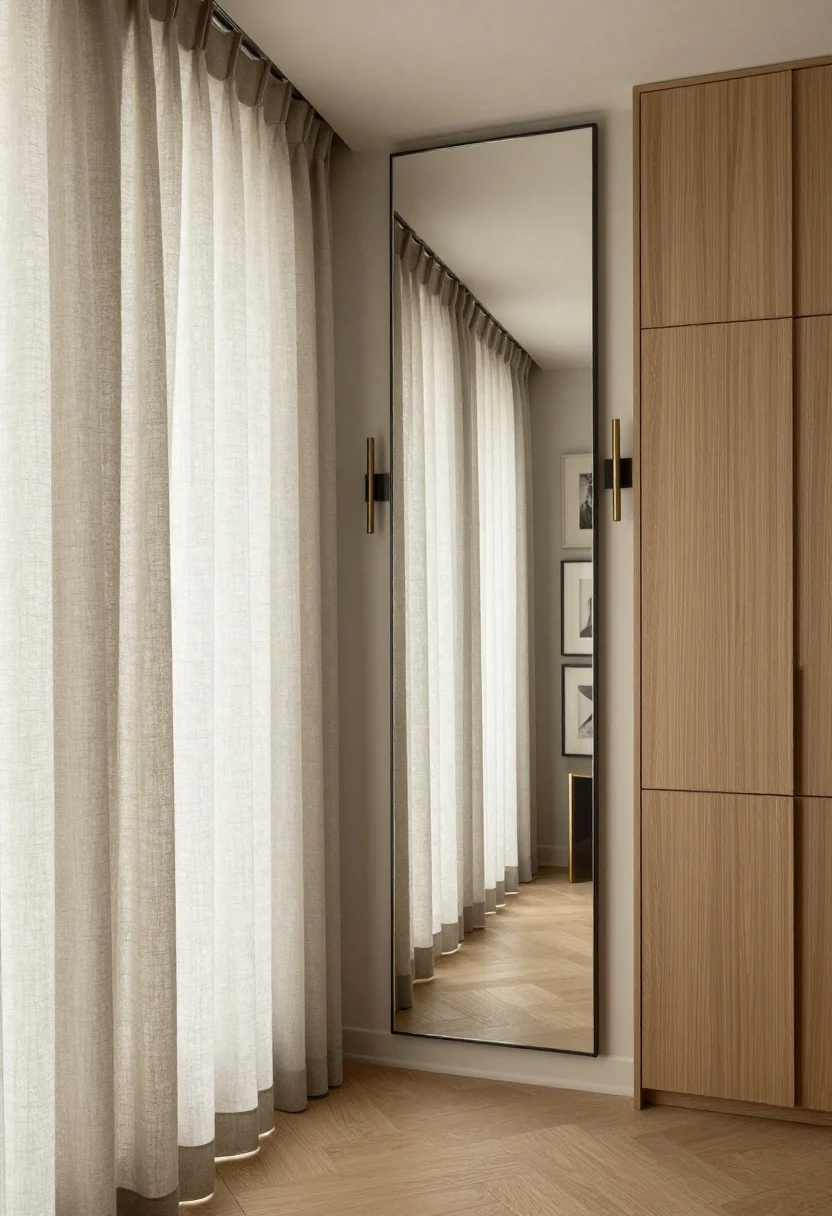
In small rooms, height becomes your most valuable dimension. Luxury interiors exploit vertical lines to create lift and elegance. The trick is rhythm: repeating slender uprights cues the eye to travel upward, making ceilings feel taller and walls more architectural.
How to get it right
- Hang curtains high and wide. Mount rods 4–8 inches above the window frame and extend beyond it. Floor-kissing panels in lined linen elongate the wall and soften edges.
- Use tall mirrors. A leaner mirror or a pair of narrow mirrors behind lamps bounce light and extend perspective without visual weight.
- Consider ribbed surfaces. Fluted cabinetry, reeded glass, or vertical slat wall panels add depth and implicit height.
- Stack art. A vertical salon arrangement—three pieces alignment—pulls the eye up and feels curated rather than cluttered.
What to avoid: Short curtains, heavy valances, or low-slung art. These compress the room and break the precious vertical momentum.
Shop smart: Extra-long curtain panels, leaner mirrors, vertical sconces, fluted storage, narrow bookcases.
5. Conceal the Practical, Spotlight the Beautiful
🎯 Discover Your Home Decor Style
Luxury is often the absence of visual noise. In a compact home, smart storage is non-negotiable. Conceal the everyday, elevate the display, and you’ll gain serenity and style in equal measure.
How to get it right
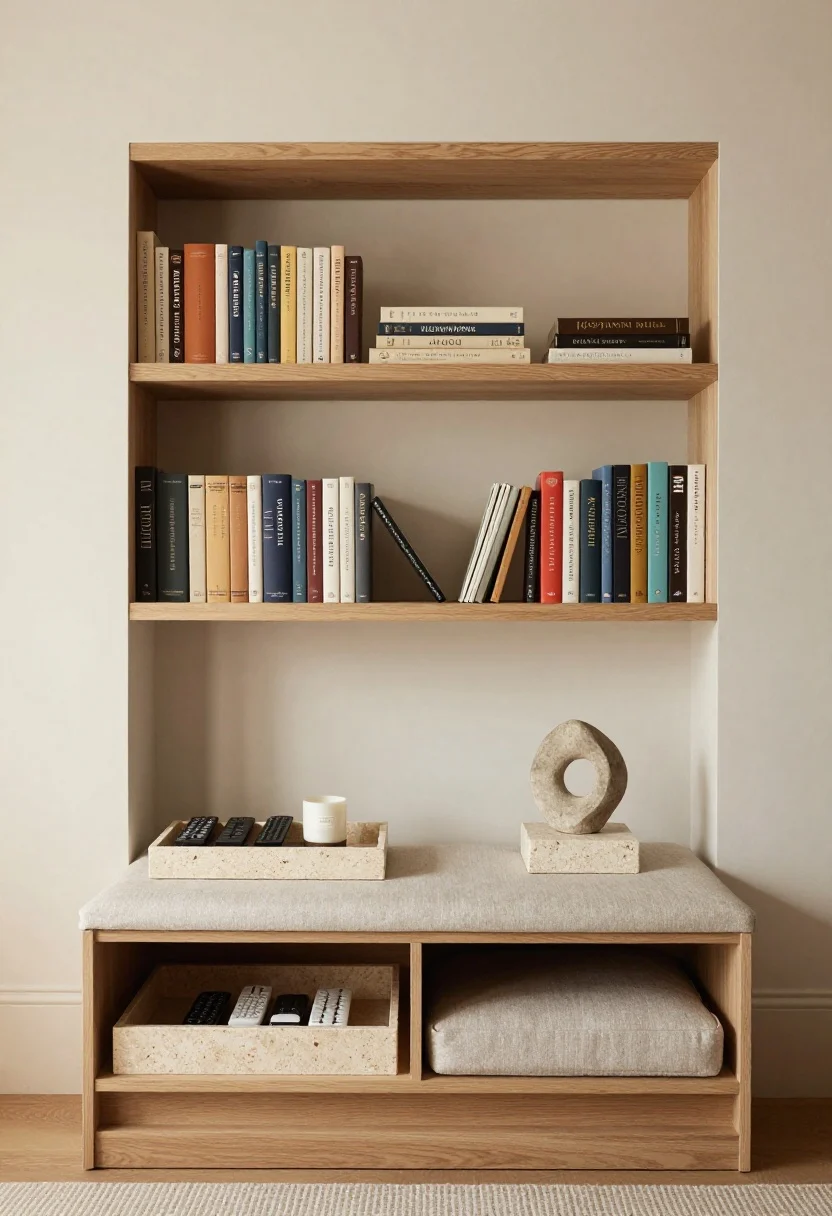
- Pick furniture with hidden storage. Ottomans with trays, benches with lift tops, and media consoles with fluted or cane doors keep essentials close but unseen.
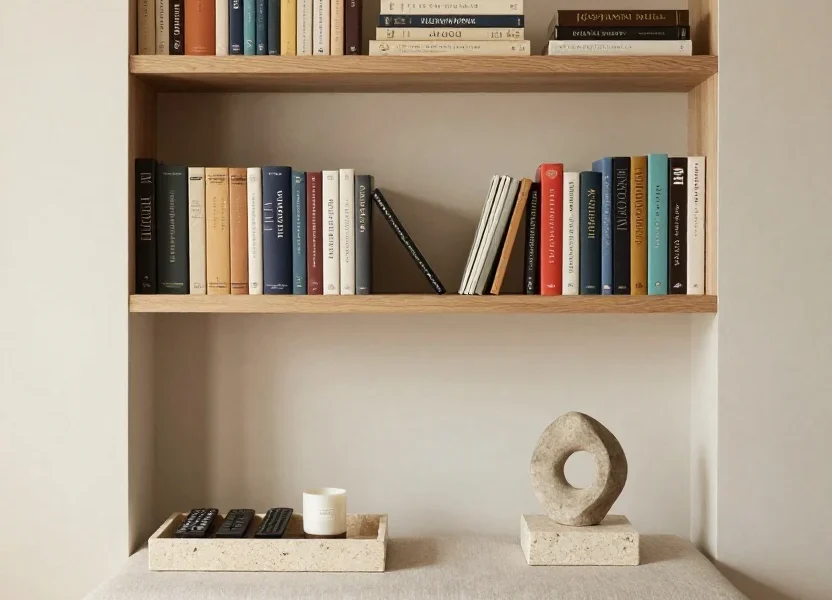
- Zone with trays and pedestals. Corral remotes, candles, and matches on a lacquer or stone tray; place a single sculptural object on a plinth to give it gallery gravitas.
- Edit display shelves. Use the 60/30/10 rule: 60% books (spines coordinated), 30% objects with varied heights, 10% negative space. Negative space is luxury.
- Color-integrate storage. Paint built-ins to match the wall for a seamless envelope, then let hardware or back-panel texture provide interest.
What to avoid: Open wire racks, overflowing baskets, or mismatched bins that add visual static. If you see the system before the room, it’s the wrong system.
Shop smart: Storage ottomans, closed media units, decorative trays, pedestal stands, and matching storage boxes.
6. Choose an Edited Palette With One Decisive Accent
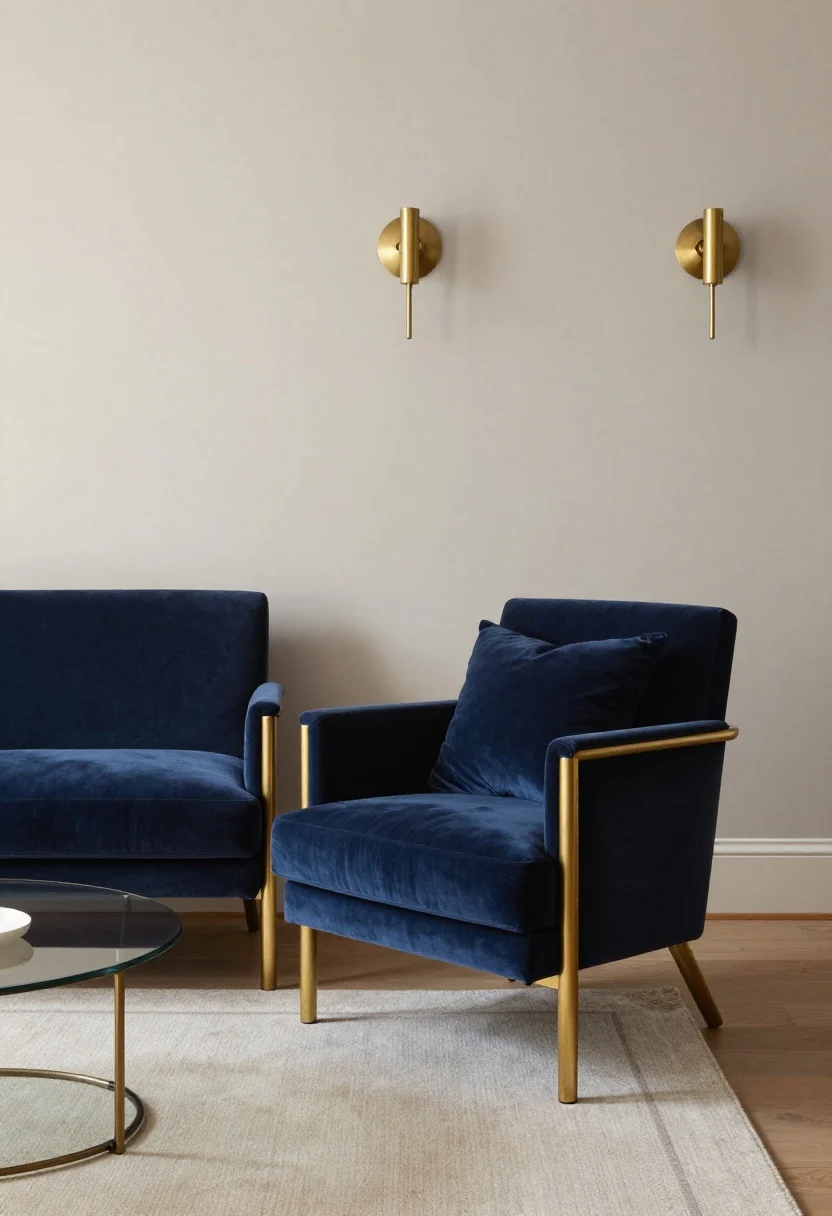
A restrained color story reads upscale, especially when paired with quality materials. The objective is cohesion: repetition forces the eye to glide, and glide equals calm. Then—one bold accent to spark excitement without chaos.
How to get it right
- Base in complex neutrals. Warm putty, mushroom, greige, or soft bone white give dimension and flatter both daylight and lamplight.
- Repeat metals. Pick one primary metal—antique brass, blackened steel, or polished nickel—and echo it in lighting, frames, and hardware.
- Introduce a single statement shade. Deep olive, oxblood, midnight blue, or bitter chocolate on a chair, artwork, or a small accent wall signals intention.
- Tie it with textiles. Echo the accent hue in a throw, two cushions, or a rug border to unify the scheme.
What to avoid: Scattershot color, bright white walls that read sterile, and clashing metal tones. If a piece doesn’t harmonize with the palette, edit it out.
Shop smart: Paint, throw pillows, throws, framed art, and coordinating lamp shades.
7. Style With Restraint: Fewer, Better, Larger
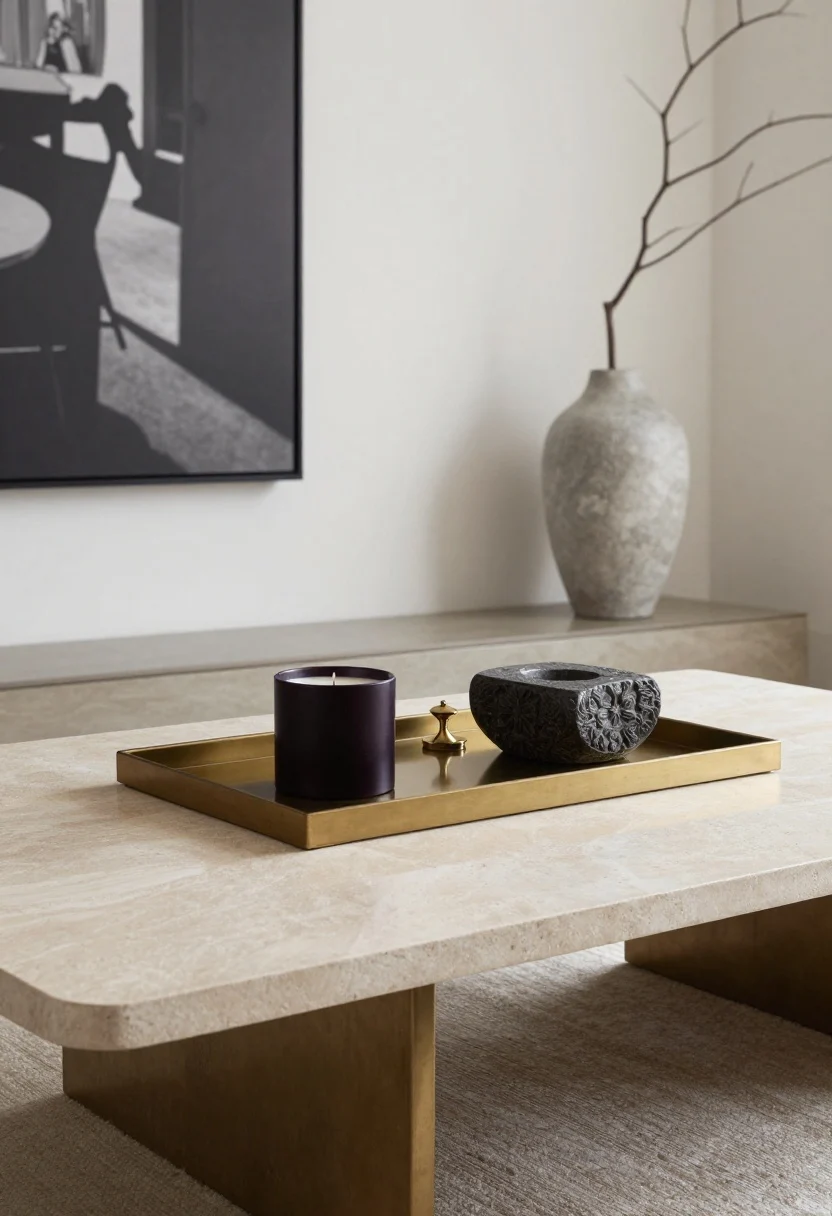
The final polish is where small spaces easily tip into clutter. Think like a stylist: create vignettes with scale, leave negative space, and choose pieces that earn their place. Luxury styling is intentional and slightly underdone.
How to get it right
- Supersize art. One large canvas or photograph simplifies sightlines and elevates impact. If using multiples, keep frames consistent.
- Use odd-number groupings. Trios—a lamp, a sculpture, and a book stack—create dynamic balance. Vary heights for rhythm.
- Bring in botanicals with form. A single branch in a tall vase or a low, architectural plant (olive tree, zz plant) adds life without fuss.
- Control the coffee table. Limit to two or three elements: a tray, a candle with a snuffer, and a stone object. Nothing more.
What to avoid: Tiny tchotchkes, visual chatter, or themed decor. Luxury rooms resist literalness; they speak in material and form, not slogans.
Shop smart: Overscale art prints, sculptural vases, hardcover coffee table books, candles, and minimalist planters.
Quick Shopping Categories To Prioritize
- Rugs: Hand-tufted wool or low-pile vintage-style in nuanced neutrals
- Sofas: Tight-back, slender arms, raised legs; 70–80 inches wide
- Lighting: Brass or alabaster flush-mounts, plug-in sconces, picture lights
- Storage: Closed media units, fluted cabinets, storage ottomans
- Wall Decor: Oversized art, tall mirrors, picture ledges
- Textiles: Lined linen curtains, bouclé or velvet cushions, wool throws
- Hardware: Weighty pulls, modern switch plates, coordinated metal finishes
Room-by-Room Applications
Living room: Anchor with a compact sofa and a plush rug; add a pedestal side table in stone and plug-in sconces to free up surfaces. Choose one overscale artwork and a slender console behind the sofa for storage and display.
Bedroom: Swap table lamps for wall-mounted sconces to reclaim nightstand space. Use a tall, narrow dresser and full-length curtains. A linen-upholstered headboard plus a single mohair pillow adds tactile richness.
Kitchenette or dining nook: Opt for a round pedestal table to improve circulation. Install a statement flush-mount overhead and a small art light over a framed piece. Use a banquette with lift-top storage, upholstered in performance velvet.
Entry: Keep it edited: a narrow console, a tall mirror, a small tray for keys, and a concealed shoe cabinet in the wall color for quiet utility.
Proportion, Contrast, and Balance: The Designer’s Checklist
- Proportion: Choose fewer, slightly larger pieces to reduce visual noise.
- Contrast: Balance matte and sheen, soft and structured, light and shadow.
- Balance: Distribute visual weight—if one side holds the sofa, counter with a tall mirror or floor lamp opposite.
- Rhythm: Repeat lines and finishes—a brass touch in each sightline ties rooms together.
- Light: Aim for three light sources minimum per space, all dimmable.
Common Mistakes to Skip
- Overfilling the floor. Leave negative space around furniture to signal ease and luxury.
- Ignoring vertical real estate. Low art and short curtains compress a room.
- Buying sets. Matchy-matchy feels budget; curated variety looks bespoke.
- Skimping on textiles. Thin curtains and flimsy cushions cheapen the vibe fast.
- Harsh lighting. Bright, cool bulbs erase the texture you invested in.
Mini Makeover Plan (Weekend-Friendly)
- Swap the overhead light for a sculptural flush-mount; add dimmers.
- Mount curtain rods higher and hang lined panels to the floor.
- Edit furniture: remove one piece, add a slim, taller alternative.
- Introduce a plush rug that anchors the main zone wall-to-wall of the layout.
- Style surfaces with restraint: tray, lamp, art book, single sculptural object.
- Upgrade hardware and switch plates; coordinate metals.
- Finish with a single overscale art piece or a tall mirror.
Conclusion
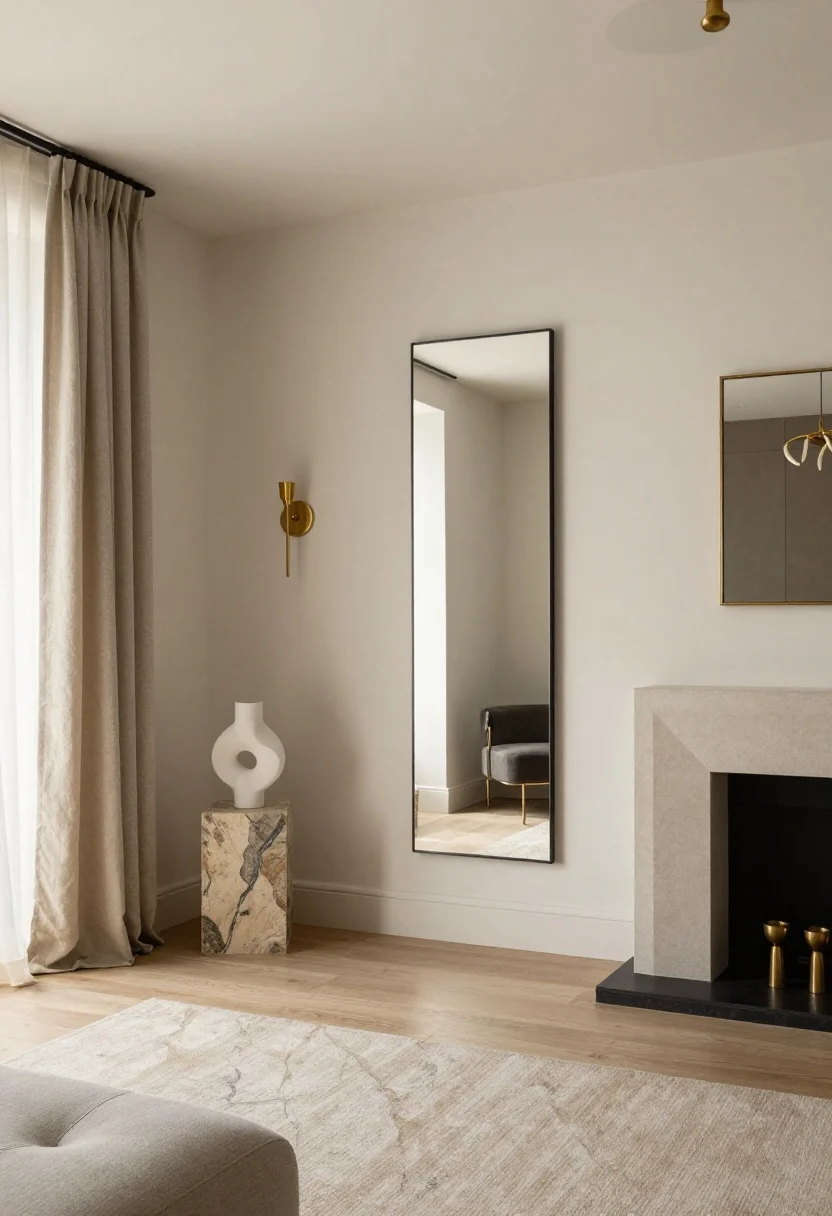
Small space decor that feels luxury isn’t about spending more—it’s about spending wisely on proportion, texture, and light. Edit fiercely, choose materials that photograph well and feel even better, and let height and negative space do the quiet heavy lifting. When each decision is deliberate, your compact room stops apologizing and starts captivating.
FAQ
How do I make a small living room feel larger without going all white?
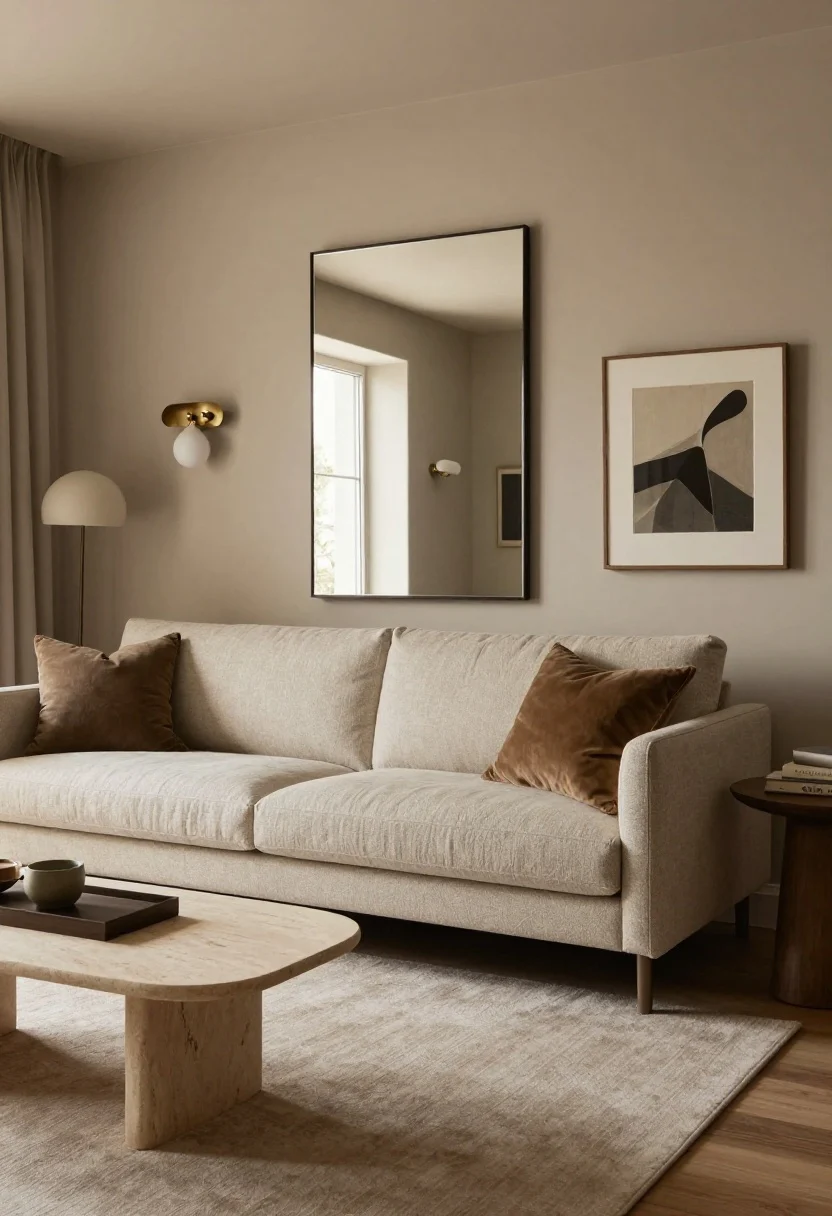
Choose a layered neutral like mushroom or warm greige on walls, then amplify light with tall mirrors, plug-in sconces, and a plush, pale rug. Contrast with darker wood or metal for depth so the space reads expansive, not flat.
What’s the best sofa style for a small luxury look?
A tight-back sofa with slender arms and visible legs in a textured neutral fabric. Keep it 70–80 inches wide, add a stone side table, and pair with a low-profile coffee table to maintain breathing room.
How many colors should I use in a compact room?
Aim for two foundational neutrals, one metal finish, and one decisive accent color repeated two to three times. This restraint reads sophisticated and keeps the eye moving smoothly.
Recommended Products
Disclosure: As an Amazon Associate, this site may earn from qualifying purchases.
These affiliate-ready categories are broad, safe shopping prompts readers can use to build the look without fake pricing or made-up reviews.
- Layered lighting — Creates warm, hotel-like glow in small rooms
- Hidden storage — Conceals clutter to keep visuals calm
- Vertical lift — Hung high to elongate walls and add softness
- Textural foundation — Adds plush depth and unifies compact layouts
- Bold focal point — Simplifies sightlines and elevates impact
Shop the Look on Amazon: Give readers a fast path from inspiration to action.
Some content on this website is created with AI assistance and carefully reviewed and edited by the Nekig team to ensure quality and accuracy.
💬 Join Our Small Space Living & Decor Community
Get daily apartment decor ideas, smart storage hacks, and budget-friendly inspiration from thousands of small space lovers.
👉 Join the Facebook Group
[…] Small Space Decor That Feels Luxury: 7 High-impact Design Moves […]
[…] Small Space Decor That Feels Luxury: 7 High-impact Design Moves […]