
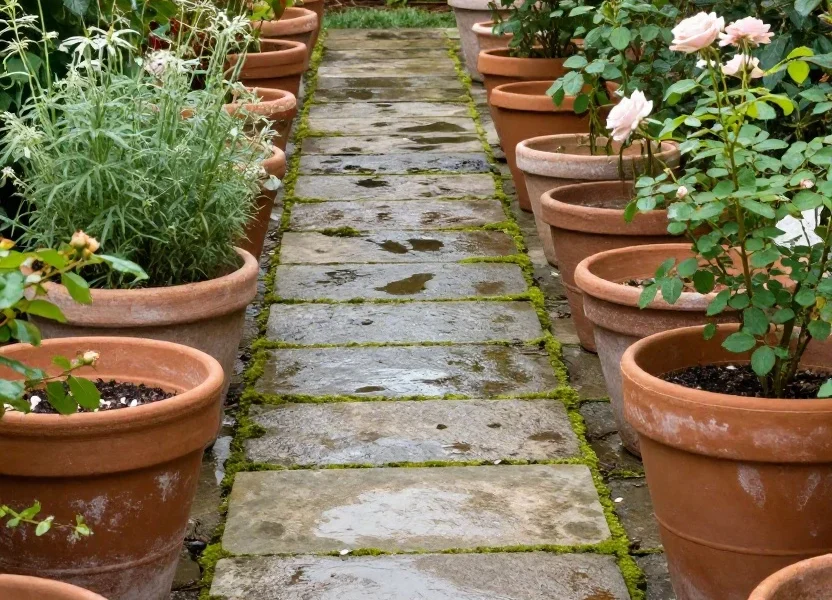
Your garden should feel like a deep exhale—the kind that softens your shoulders and slows time.
Stay with me as we layer texture, scent, and light into a space that looks wild yet impeccably considered.
If you’re searching for cottagecore garden ideas that deliver romance with real design rigor, you’re in the right place—these strategies combine softness with structure, so your outdoor rooms feel both charming and elevated.
Which Home Upgrade Does Your Space Really Need?
Answer 5 quick questions to discover the ideas that will work best for your home.
1. Define Soft Boundaries With Hedging and Haze
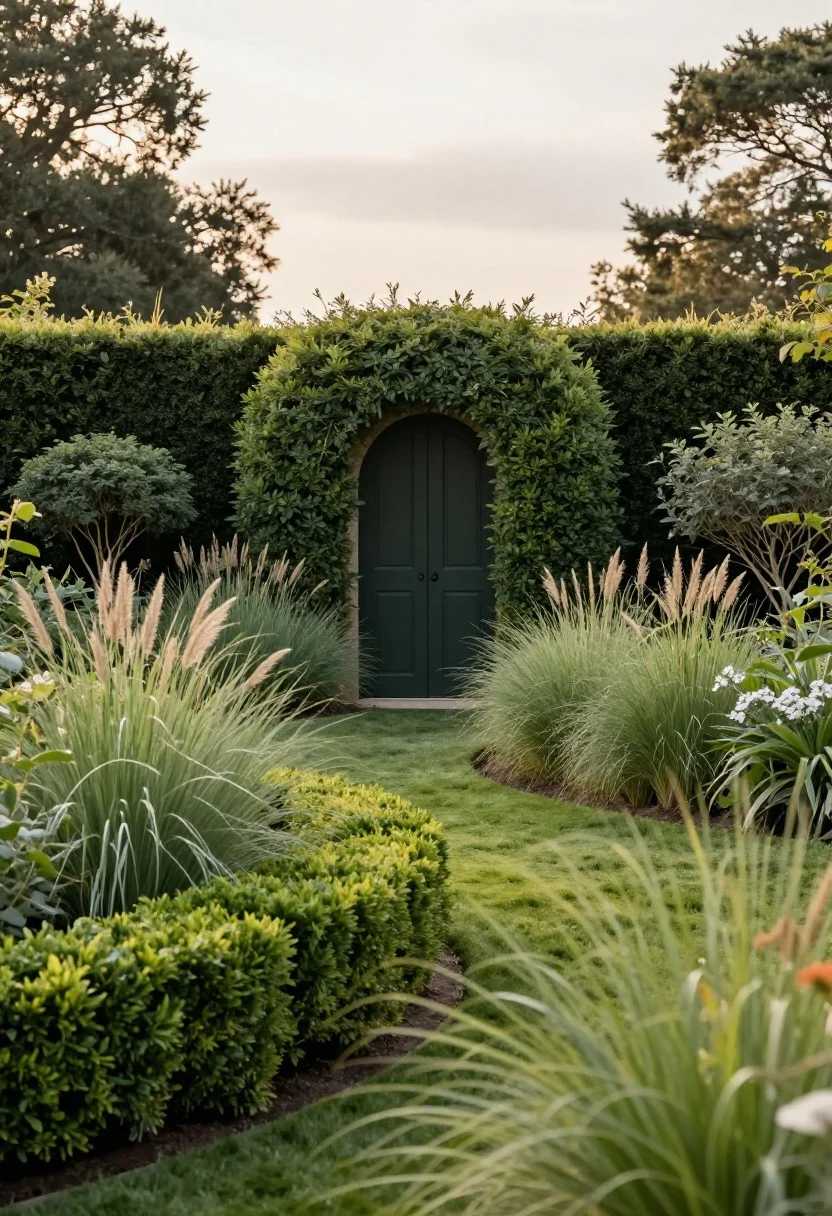
Every inviting garden begins by framing the view. In cottagecore, that “frame” is deliberately soft. Think billowy hedges, cloud-pruned shrubs, and airy grasses that blur hard lines without feeling unkempt. The key is a balance of **structure and softness**: evergreen bones anchor the scene, while wispy textures create movement and light play.
How to do it:
- Combine low evergreen hedging (boxwood, rosemary, dwarf yew) with loose ornamental grasses (deschampsia, panicum, stipa) for a gradient from crisp to cloudlike.
- Stagger heights to build depth: low hedge at front, mid-height perennials behind, tall grasses toward the back.
- Echo curves found on your home—rounded bay windows or arched doors—with softly bowed hedge lines.
Avoid: Dead-straight hedges taller than eye level in small gardens; they can feel fortress-like. Instead, use layered heights and gently scalloped lines for romance.
2. Layer Color Like a Landscape Painter
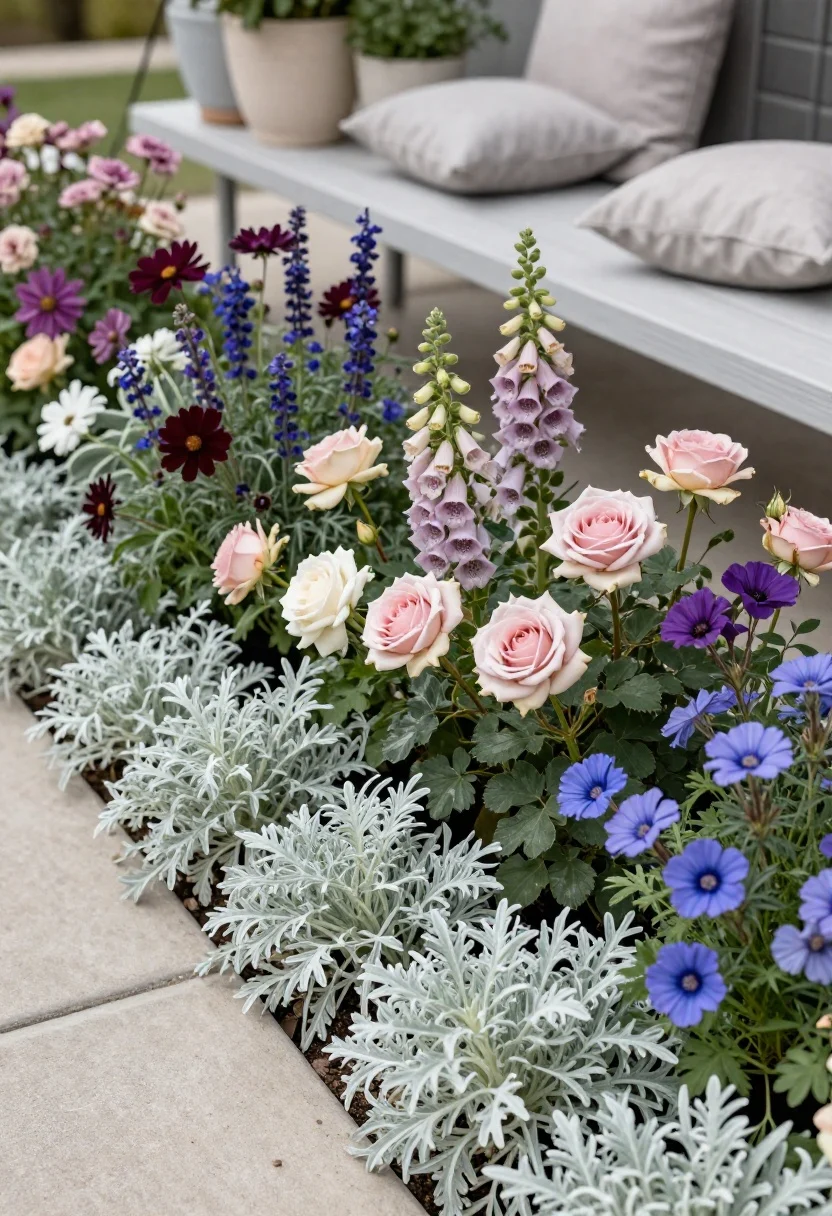
Color in a cottagecore garden should feel as if it’s always been there—faded, harmonious, and sun-washed. Build palettes the way you’d style a room: set a base tone, layer complementary hues, then add a single unexpected accent for sparkle.
Color strategy:
- Base: silvery greens and sage foliage to quiet the scene.
- Primary blooms: blush, dusty rose, buttercream, and mauve for cohesion.
- Accents: deep plum, inky blue, or terracotta to ground the prettiness.
In practical terms, pair plants like foxglove, garden roses, and lady’s mantle with purple salvias or dark-hued cosmos. The contrast in value keeps the palette from reading flat, the same way a well-designed room needs **light, mid, and dark notes** to feel complete.
Shopping cues: Consider ceramic planters in chalky finishes, outdoor rugs in desaturated florals, and linen cushions in dusty tones to echo the planting scheme.
3. Mix Wildflower Meadow Moments With Tidy Pockets
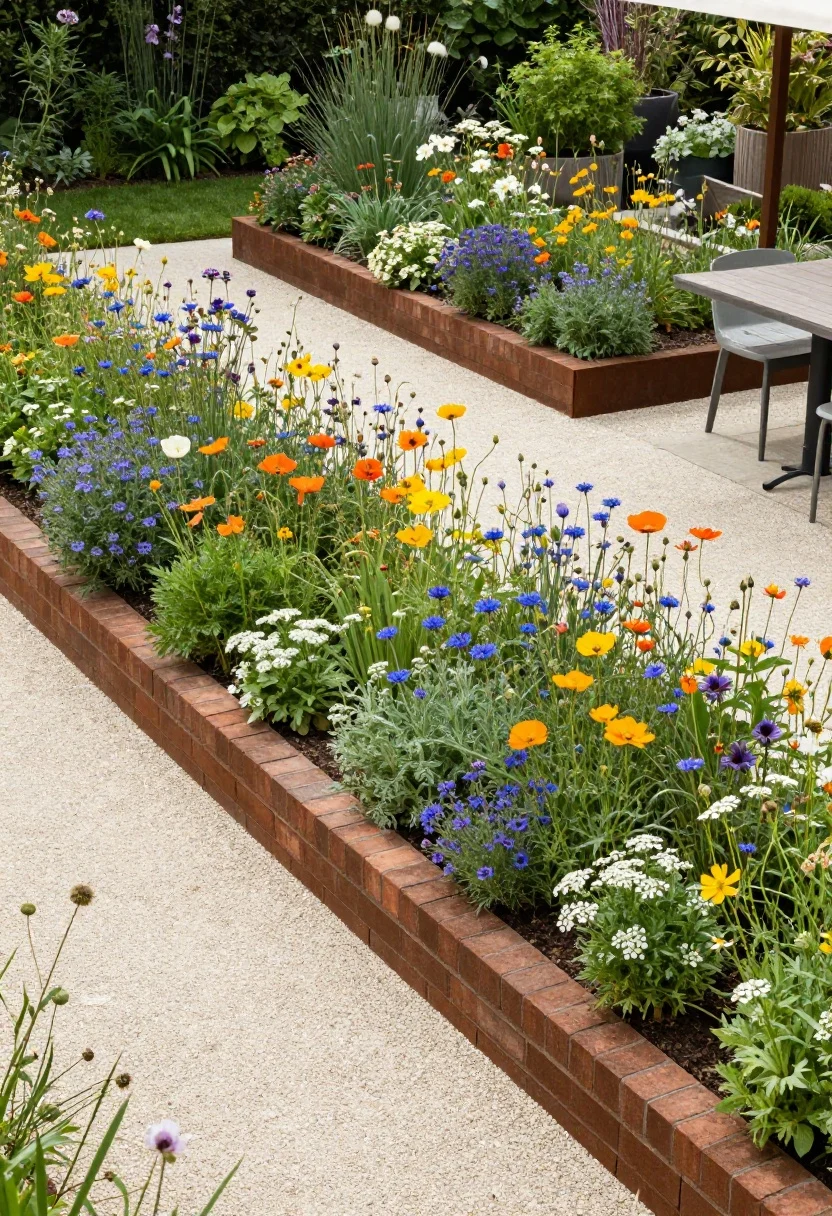
Romance thrives on contrast. A fully wild meadow can feel aimless; a fully manicured bed can feel stiff. The magic lies in the tension between the two. Create pockets of wildness that spill toward clean edges: a clipped path, a well-defined seating terrace, or a neatly edged lawn.
Planting recipe:
- Choose a pollinator mix suited to your zone (cornflowers, poppies, yarrow, cosmos), then frame it with neat brick or steel edging.
- Let self-seeders (verbena bonariensis, nigella, larkspur) colonize around a paved bistro nook—loose at the edges, tailored at the center.
- Use repeat shapes for cohesion: drifts of three, five, or seven plants create rhythm and avoid visual noise.
Avoid: Planting equal densities everywhere. Vary density—lush drifts against sparse pathways—so the eye understands where to rest.
4. Create Storybook Paths With Honest Materials
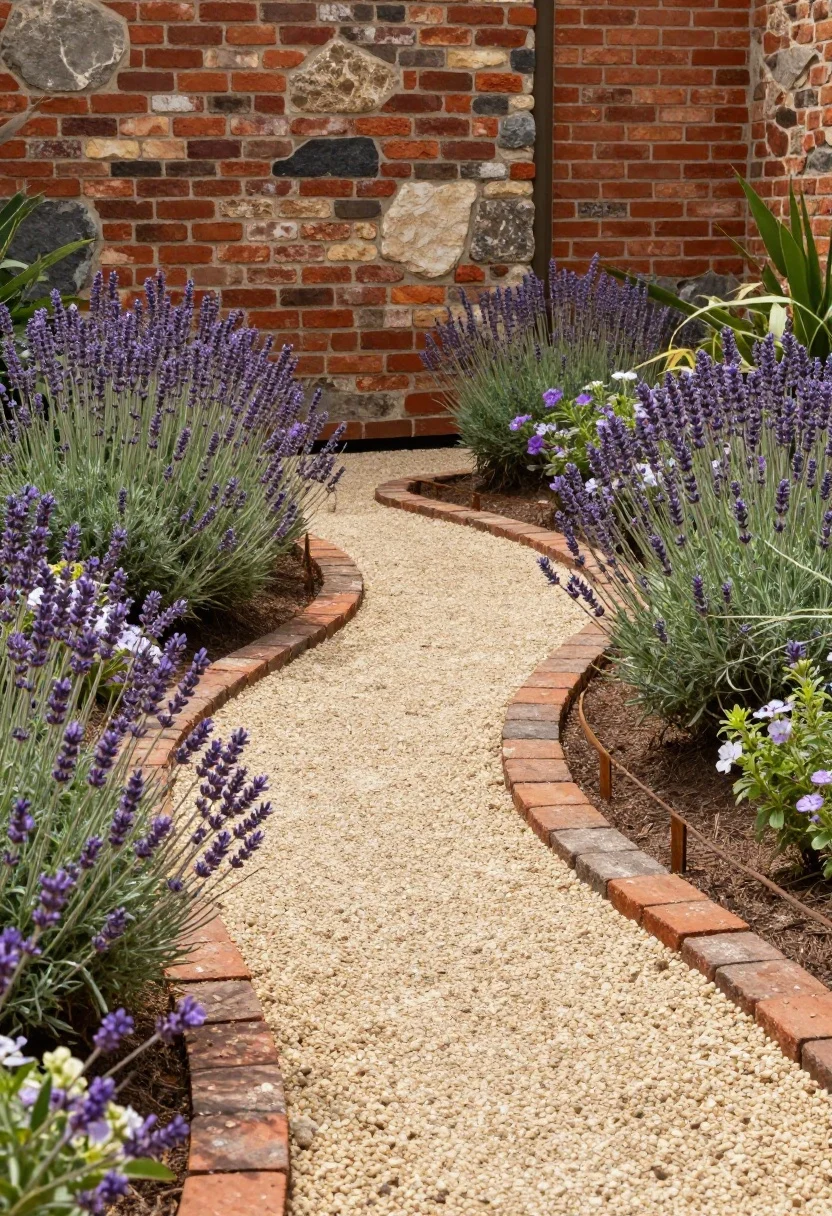
Paths are the narrative thread in your garden—they guide pace, invite detours, and stage the views. Cottagecore favors materials that patinate beautifully: reclaimed brick, pea gravel, decomposed granite, or irregular stone. Scale is crucial: a 36–48 inch width feels intimate but comfortable for two.
Design tips:
- Use soft S-curves to reveal scenes gradually; straight lines feel abrupt and less romantic.
- Edge gravel with tumbled brick or corten to keep things contained without looking harsh.
- Place scent at knee and hand height along paths—lavender, thyme, sweet alyssum—so fragrance releases as you brush by.
What to avoid: Overly glossy pavers and stark, perfectly symmetrical stepping stones; they jar against the cozy aesthetic.
5. Compose a Layered Seating Nook
🎯 Discover Your Home Decor Style
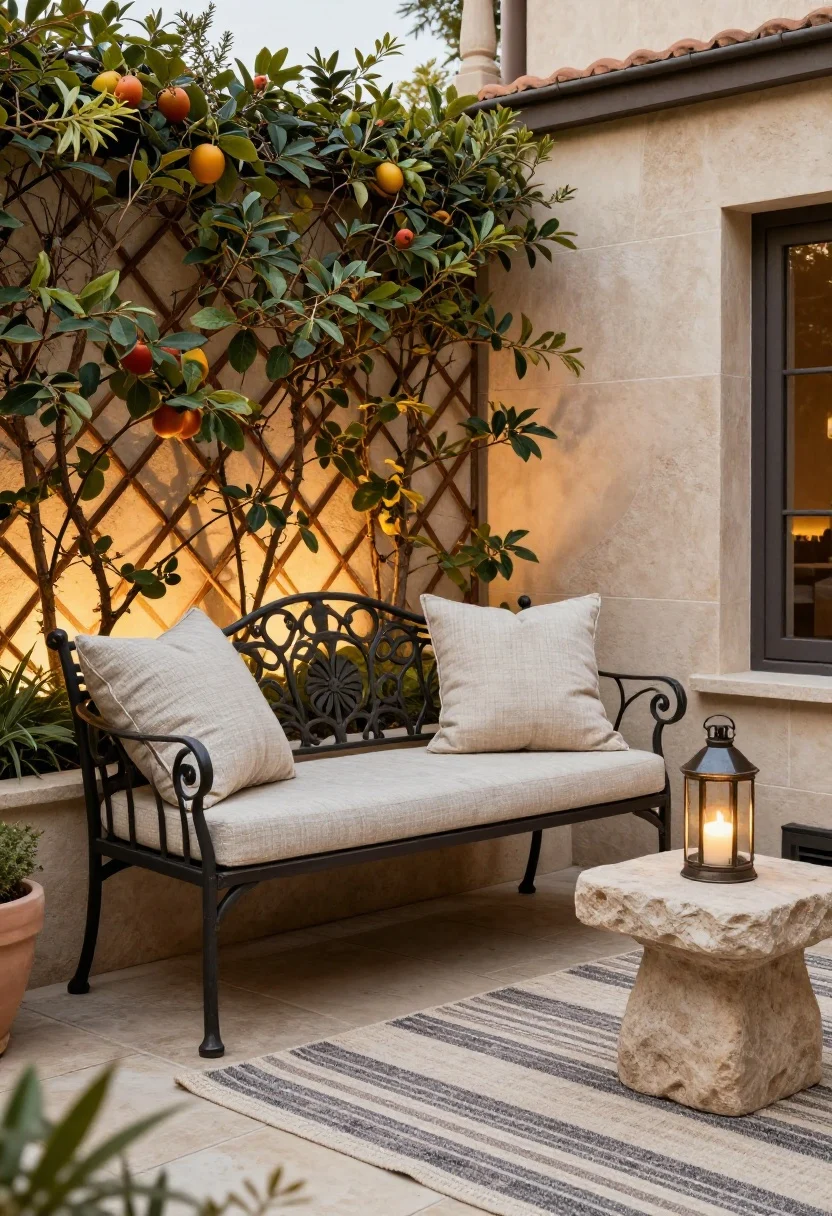
A garden becomes livable once you give it a destination. Build a seating nook like you would a small living room: **anchor, layer, and light**. Start with an anchor (gravel pad or petite stone terrace), add seating with character (wrought iron café set, vintage-inspired bench), then layer textiles and greenery.
Styling essentials:
- Outdoor rug in a faded stripe or floral to define the footprint.
- Mix of seat heights: a bench plus a low lounge chair eases conversation flow.
- Side table for practicality; vintage-look lanterns or a petite bistro lamp for glow.
Pro move: Back the seating with a trellis or espaliered fruit to create a “wall”—it improves proportion and makes the nook feel like an outdoor room.
6. Elevate With Heritage Planting (Roses, Peonies, and Friends)
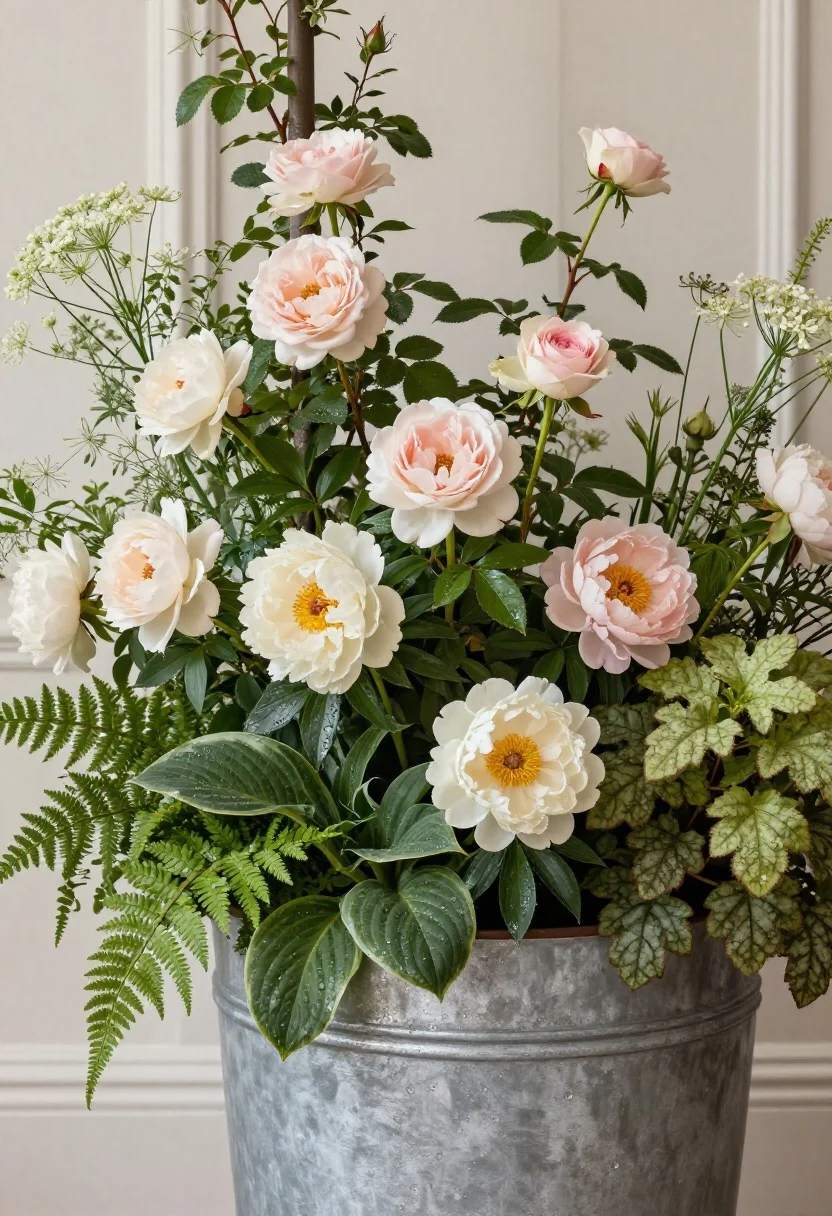
Hero plants give cottage gardens their heart. Lean into classics with strong form and fragrance: English roses with cupped petals, pillowy peonies, delphiniums, and catmint. When curated thoughtfully, they read luxe, not twee.
Placement matters:
- Use roses as vertical punctuation on arches, obelisks, or along fences for height and romance.
- Set peonies forward of airy fillers (ammi, orlaya, dill flowers) to contrast solid with lacy.
- Counterbalance ruffled blooms with architectural foliage—hosta, fern, or heuchera—to add gravitas.
Tip: Choose varieties with repeat bloom or extended interest. Faded seedheads and winter silhouettes are part of the charm.
7. Add Functional Whimsy: Arbors, Trellises, and Espaliers
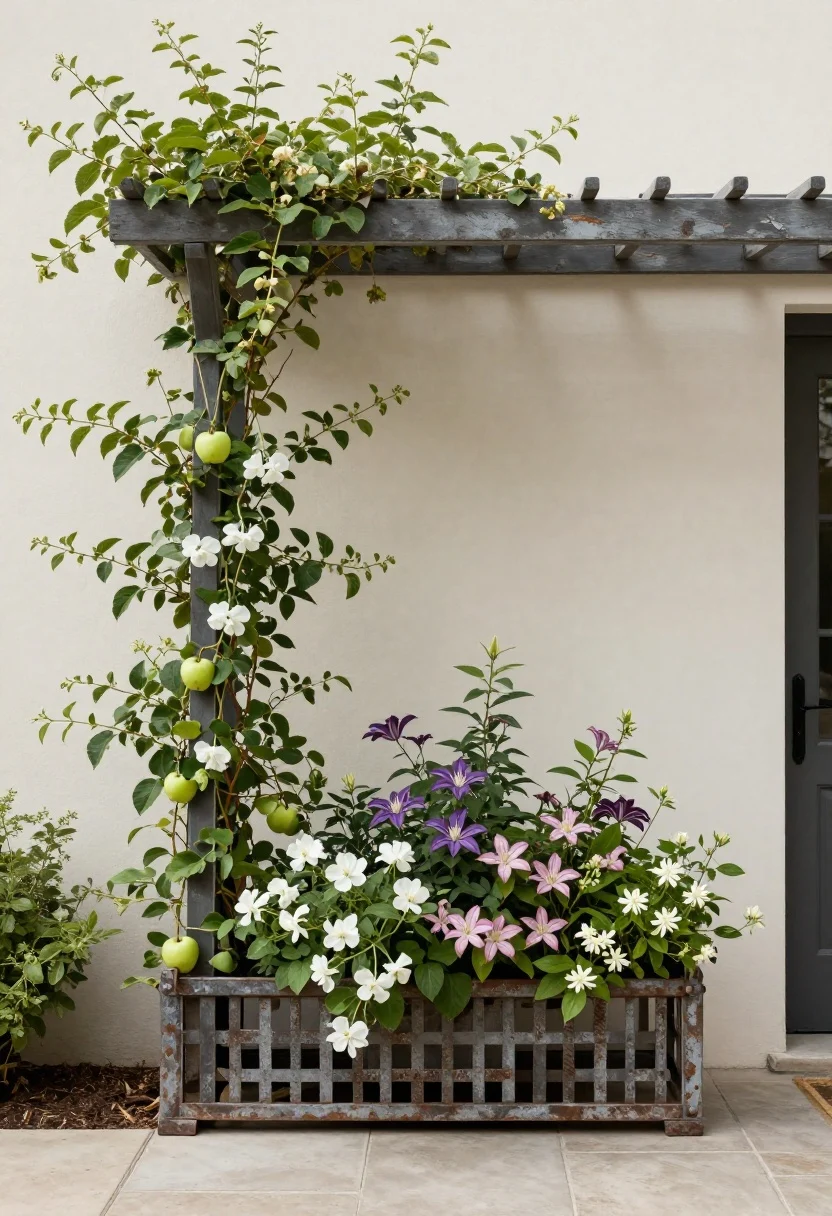
Vertical elements lend scale and instantly elevate a small plot. An arbor over the entry or a trellis behind a bench telegraphs intention and creates opportunities for layered planting. Keep the lines simple, then let the plants bring the poetry.
What works:
- Painted wood in muted tones (mushroom, putty, or soft green) or weathered metal for timeless patina.
- Espaliered apple or pear against a sunny wall—functional, sculptural, and very cottagecore.
- Climbers with character: sweet pea for scent, clematis for jewel tones, jasmine for evening fragrance.
Avoid: Overscaled pergolas in tight courtyards; they dominate. Measure sightlines from doors and windows to keep proportions balanced.
8. Curate a Weathered Materials Palette
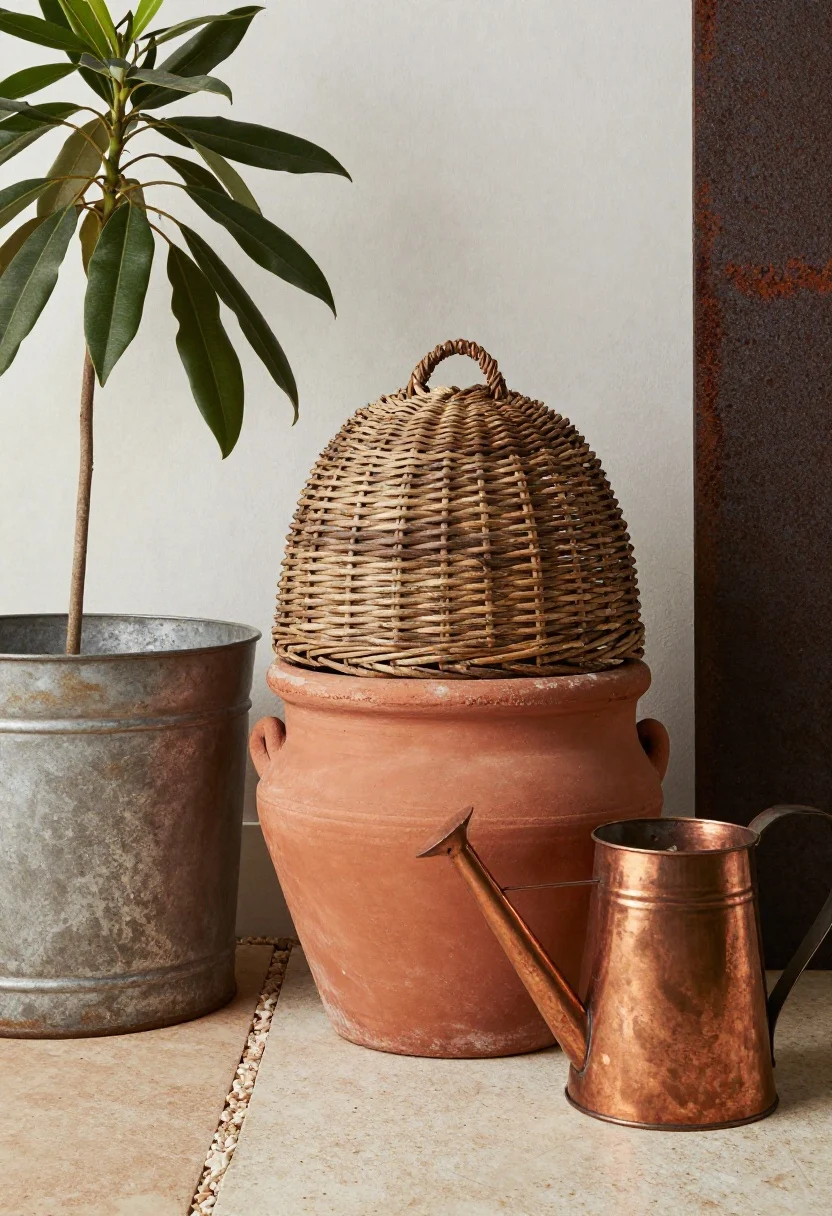
Texture signals quality. A refined cottagecore garden blends old and new—antiqued zinc planters beside terracotta pots, woven willow cloches near burnished copper watering cans. These materials absorb light differently, adding depth at every hour.
Material mix to try:
- Terracotta and salt-glazed stoneware for warmth.
- Zinc, aged brass, and corten steel for quiet contrast.
- Limestone chippings or crushed shell for a pale, luminous path.
Shopping cues: Look for planters, outdoor lighting, and storage benches with matte, tactile finishes; avoid high-shine plastics that break the spell.
9. Master Layered Lighting for Twilight Magic
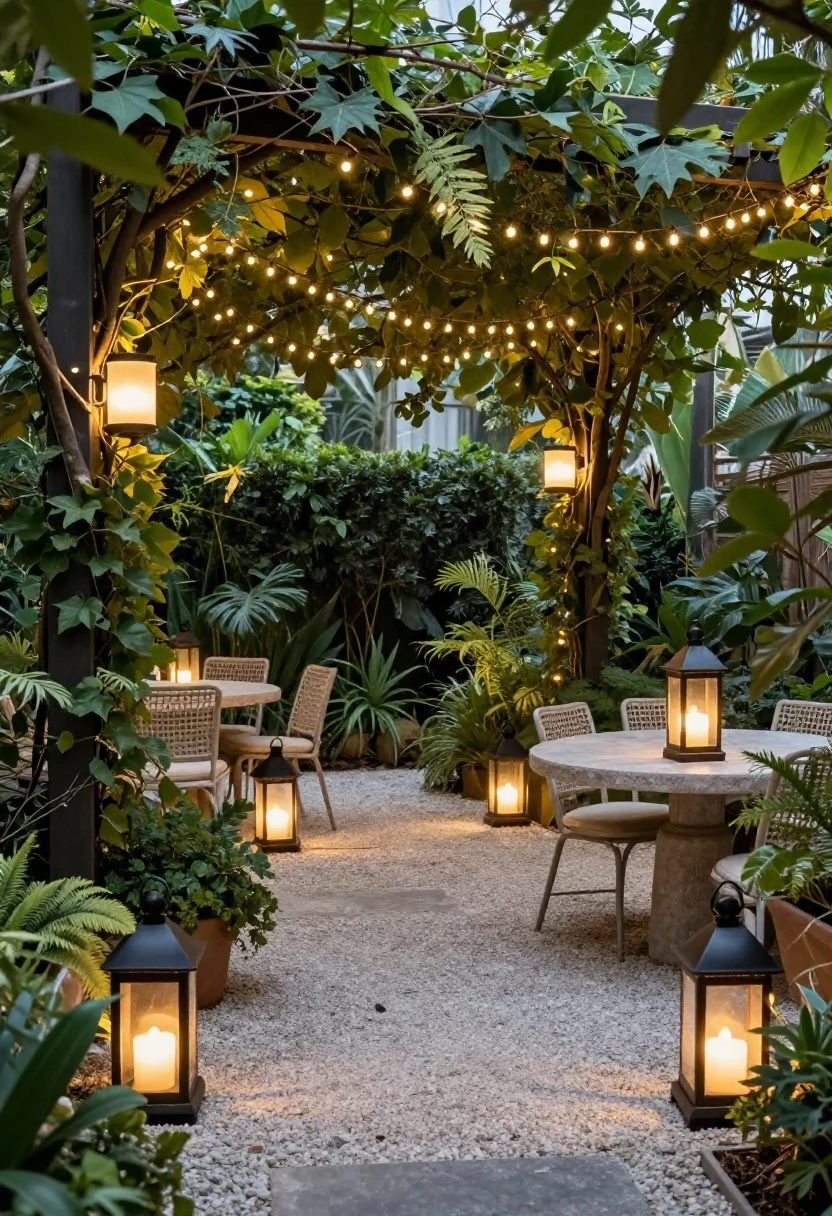
Lighting is where an outdoor room earns its luxury badge. Use a three-point approach: overhead sparkle, mid-level glow, and low-level guides. The objective is not brightness but atmosphere—warm, dimmable, and gently directional.
Lighting plan:
- Overhead: festoon lights or a petite pendant under an arbor for a soft canopy of light.
- Mid-level: lanterns on side tables and wall sconces with frosted glass to soften glare.
- Low-level: stake lights or recessed step markers to trace paths without visual clutter.
Pro tip: Stick to warm white (2200–2700K). Cooler temperatures flatten texture and make foliage look chalky.
10. Design a Potting Corner That Doubles as Decor
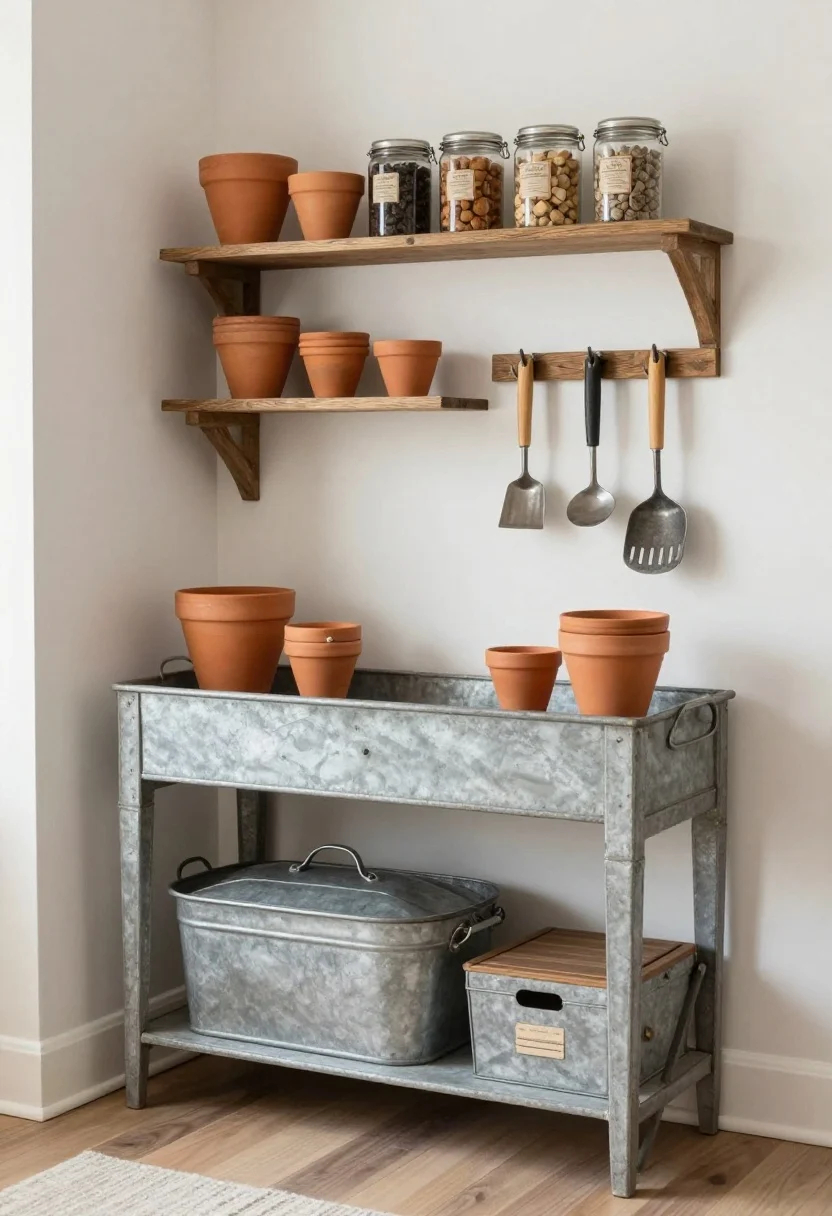
Function can be beautiful. A small potting station—with a reclaimed console, galvanized trugs, and a tidy row of terracotta—feels like a still life and keeps the garden impeccably practical. Treat it like a kitchen: clear zones, good tools, and surfaces that can patinate gracefully.
Set-up essentials:
- Weatherproof shelving for seeds, twine, and neatly labeled jars.
- Hooks for tools; a foldable stool tucked below.
- A lidded compost caddy and a discreet storage box for soil and amendments.
Storage to consider: Outdoor cabinets, slim sheds, or bench seating with hidden compartments help maintain serenity.
11. Weave Edibles Into Ornamentals
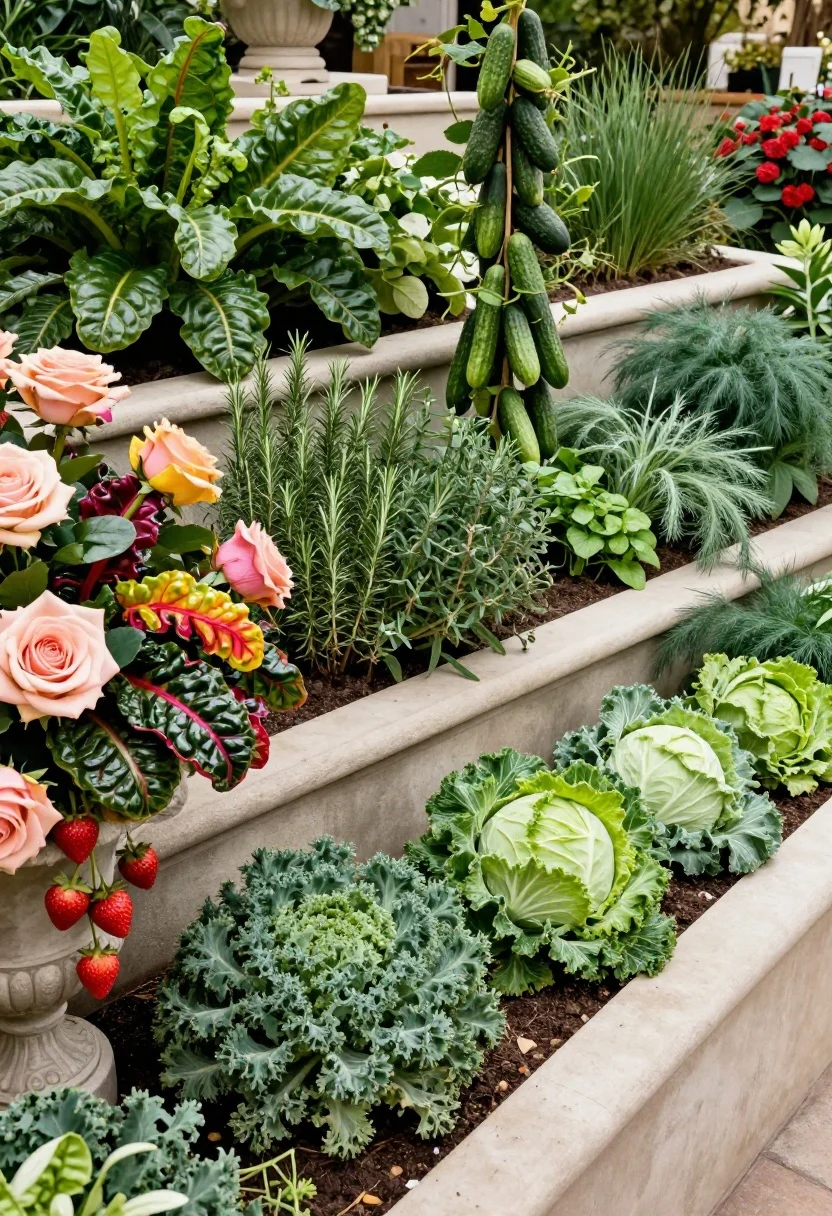
Cottage gardens blur utility and beauty. Interplant edibles where they look chic: glossy chard among roses, frilly kale against box, strawberries tumbling from urns. It’s sustainable and visually satisfying—the essence of quiet luxury outdoors.
Planting patterns:
- Use herbs as edging: thyme, chives, and dwarf rosemary create a refined, scented border.
- Train cucumbers or beans on elegant obelisks to add vertical rhythm.
- Mix foliage textures: feathery dill with structured cabbage for a couture clash that works.
Avoid: Rigid rows unless you’re going for a kitchen garden look. In ornamental beds, tuck edibles in pockets so they read as design, not agriculture.
12. Craft a Micro-Wildlife Haven With Thoughtful Water and Shelter
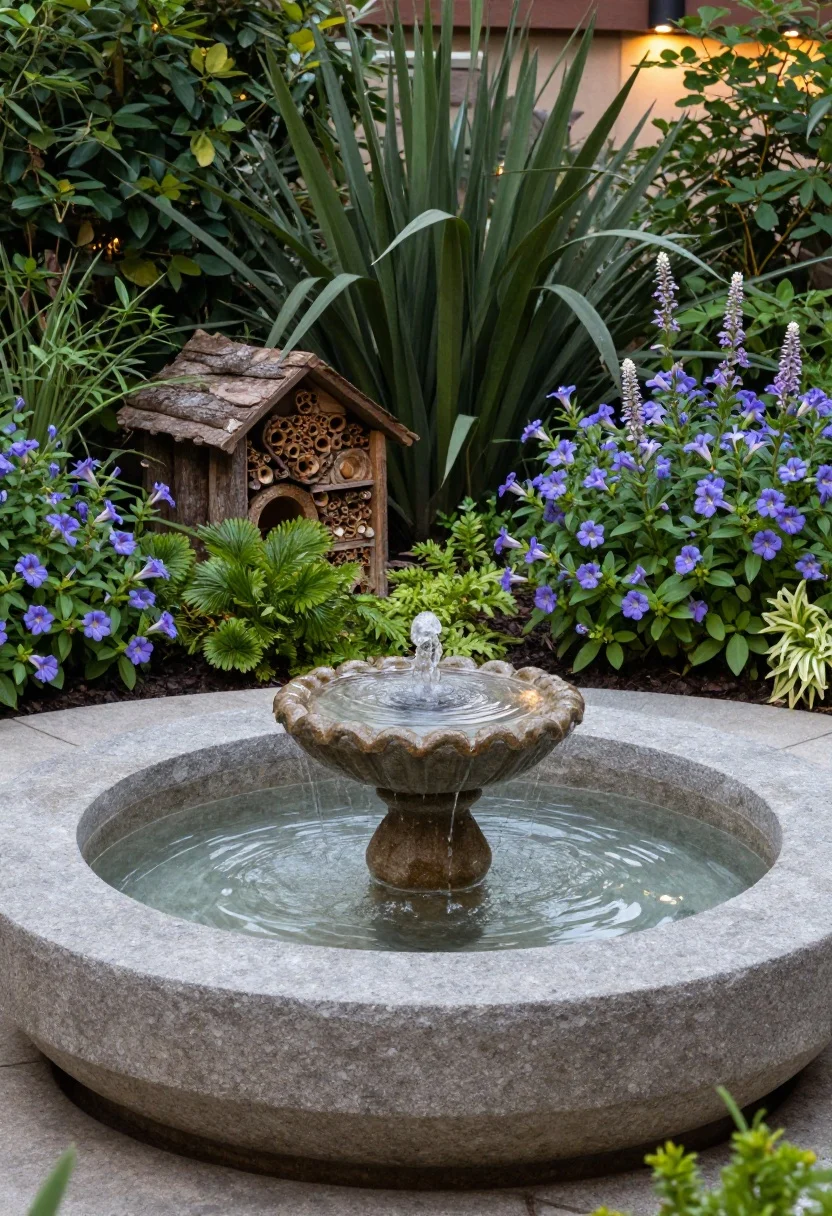
Nothing animates a garden like life. Invite pollinators and birds with a subtle water feature and habitat layers. Scale is everything: a simple bowl fountain or birdbath can be incredibly chic when the finish is right and the placement is composed.
Consider:
- A low, wide stone basin near seating—visible, reflective, and softly sonorous.
- Log piles or insect hotels tucked behind planting—ecological without shouting.
- Night-scented plants (honeysuckle, nicotiana) to draw moths and create evening perfume.
Maintenance note: Keep water shallow and moving to deter mosquitoes; refresh weekly.
13. Style Seasonal Vignettes for Ongoing Romance
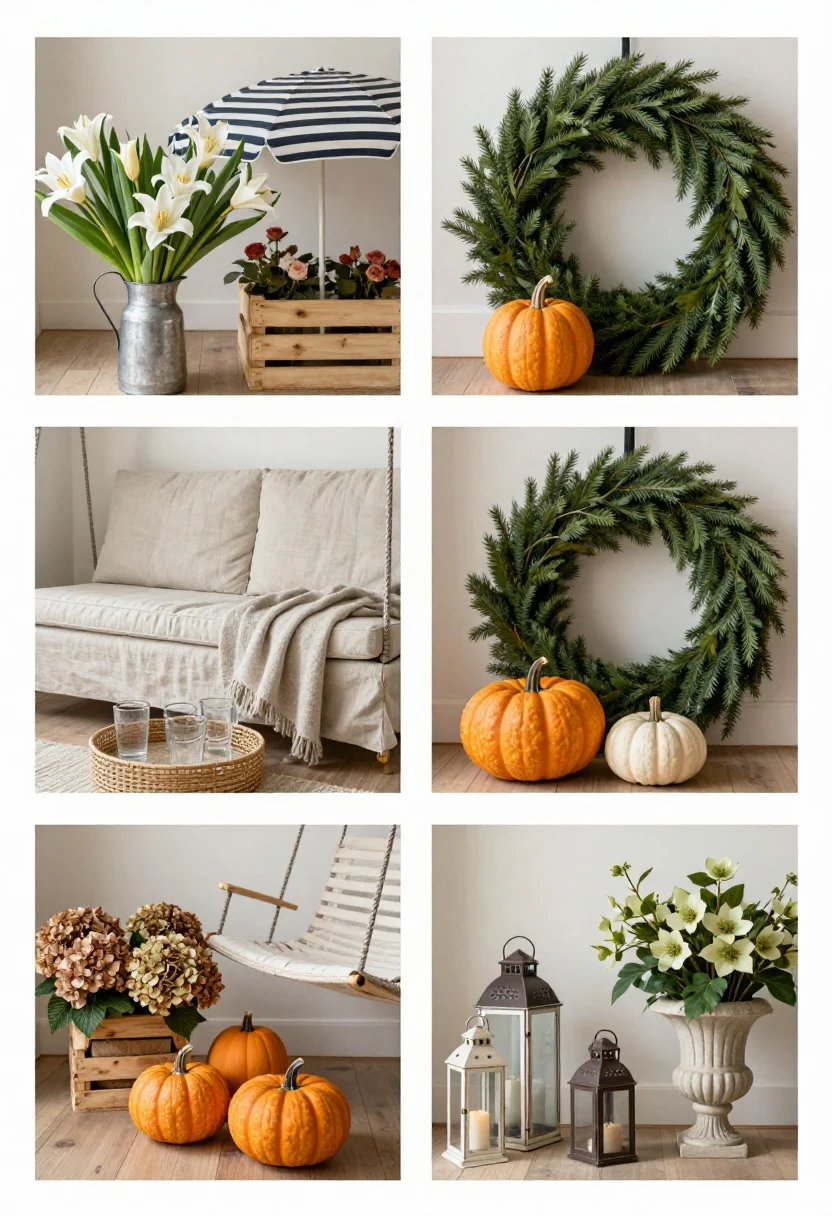
Great gardens evolve. Curate moments that shift with the seasons so there’s always a scene worth lingering over. Think of each vignette as a still life with a focal point, supporting cast, and negative space.
Ideas by season:
- Spring: forced bulbs in rustic crates by the back door, stacked with straw hats and a zinc pitcher.
- Summer: linen-cushioned bench under roses, striped umbrella, rattan tray with glassware.
- Autumn: heirloom pumpkins in muted tones, dried hydrangea heads, wool throw on a swing chair.
- Winter: evergreen wreaths, lantern clusters, and a sculptural urn planted with hellebores.
Shopping cues: Look to outdoor textiles, lanterns, planters, and wall decor to refresh mood without replanting.
14. Plan for Patina, Not Perfection
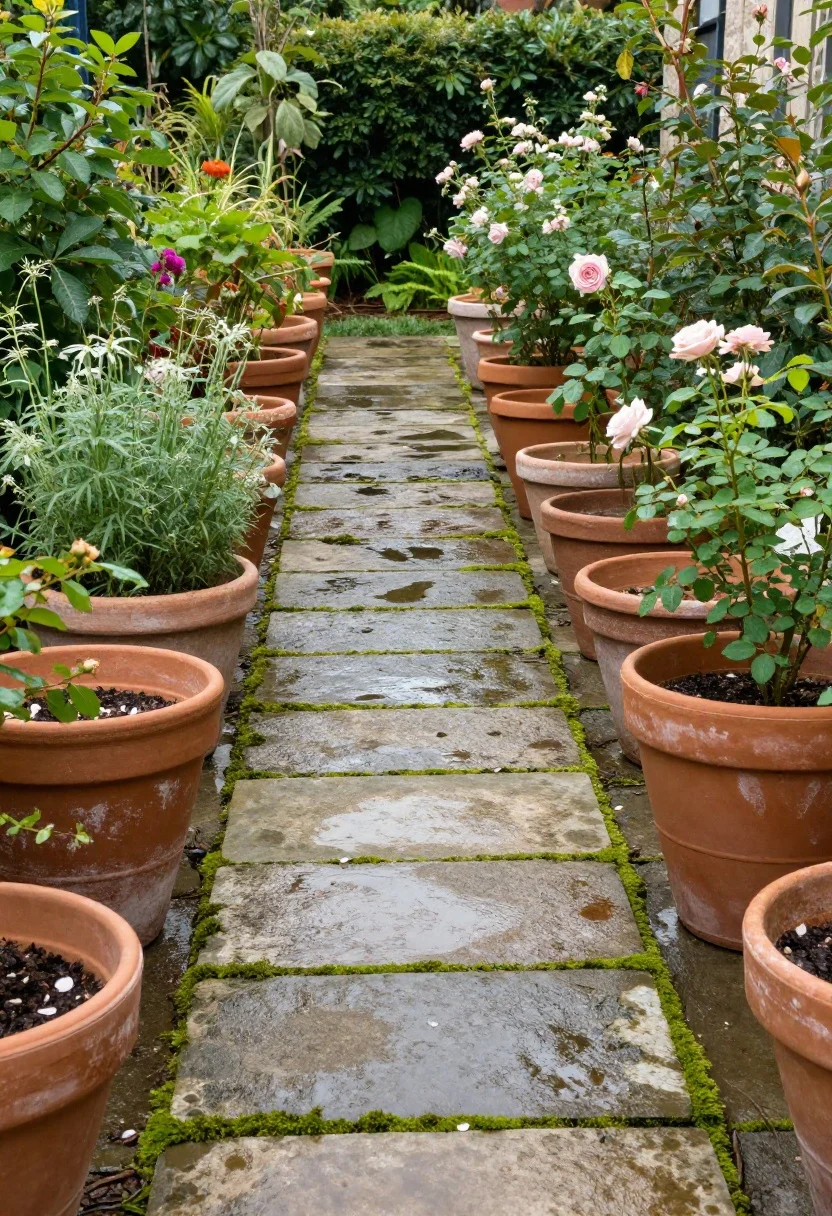
The soul of cottagecore is timeworn elegance—damp stone with moss veining, terracotta with chalky bloom, roses that flop a little after rain. Design for it. Choose finishes that age gracefully and layouts that stay charming in between maintenance days.
Mindset and maintenance:
- Let self-seeders choose a few surprise spots; edit lightly to protect flow and sightlines.
- Prune for air and shape, not strict silhouettes. Embrace the soft edge.
- Refresh textiles seasonally and rotate pots to keep compositions lively.
Avoid: Over-planting without future scale in mind; give shrubs and climbers their adult room so the overall silhouette remains elegant.
Practical Shopping Shortlist
- Seating and tables: wrought iron bistro sets, slatted teak benches, small stone side tables.
- Planters: terracotta, zinc, and stoneware in graduated sizes for layered height.
- Lighting: festoon strings, weatherproof lanterns, warm-white path markers, wall sconces.
- Textiles: outdoor rugs in muted patterns, linen-look cushions, wool throws for shoulder seasons.
- Storage: slim sheds, bench storage, wall hooks, and shelving for tools and pots.
- Wall decor: trellises, mirrors rated for outdoors, vintage-style plaques to add character.
Common Mistakes to Avoid
- Monoculture planting that blooms all at once—stagger bloom times for continuity.
- Too many micro features—choose a few statement elements and repeat to build rhythm.
- Cold lighting—stick to warm-white, shielded fixtures to flatter plants and skin.
- Ignoring proportion—scale arbors and seating to the garden’s volume, not your wishlist.
Before You Plant: Quick Planning Checklist
- Light analysis: map sun and shade to place scent and color where you’ll notice them most.
- Soil prep: add compost generously; healthy soil is the invisible luxury.
- Circulation: ensure paths allow easy maintenance and graceful movement.
- Viewpoints: stage focal points where you see them from indoors for year-round joy.
Conclusion
Cottagecore isn’t chaos dressed as charm; it’s a layered, edited approach that celebrates softness with structure. When you tune contrast, scale, and texture the way you would inside your home, the garden becomes an extension of your interiors—romantic, grounded, and quietly luxurious. Start with one corner, build the bones, and let the patina—and the magic—collect over time.
FAQ
How do I make a small garden feel cottagecore without clutter?
Prioritize a few anchors (a bistro set, a trellis, a hero planter), then repeat materials and plant varieties for cohesion. Keep paths clear, choose a tight color palette, and edit self-seeders monthly to maintain flow.
What low-maintenance plants give a romantic look?
Catmint, hardy geraniums, yarrow, salvias, lavender, and shrub roses are generous bloomers with forgiving habits. Layer with ornamental grasses for movement and year-round structure.
Can cottagecore look elevated rather than rustic?
Absolutely—choose refined finishes (zinc, aged brass, linen-look textiles), stick to warm, layered lighting, and curate a restrained palette. Balance ruffled blooms with architectural foliage and tidy edges for a polished, premium feel.
Recommended Products
Disclosure: As an Amazon Associate, this site may earn from qualifying purchases.
These affiliate-ready categories are broad, safe shopping prompts readers can use to build the look without fake pricing or made-up reviews.
- Soft hedging — Creates gentle garden boundaries with cottagecore structure.
- Aged planters — Echoes weathered materials and layered container heights.
- Festoon lights — Delivers warm, layered evening ambiance along paths and nooks.
- Arbors trellises — Adds vertical interest for roses, clematis, and espaliers.
- Gravel paths — Honest material for soft, storybook garden walkways.
Shop the Look on Amazon: Give readers a fast path from inspiration to action.
Some content on this website is created with AI assistance and carefully reviewed and edited by the Nekig team to ensure quality and accuracy.
💬 Join Our Small Space Living & Decor Community
Get daily apartment decor ideas, smart storage hacks, and budget-friendly inspiration from thousands of small space lovers.
👉 Join the Facebook Group
[…] 14 Cottagecore Garden Ideas (cozy Outdoor Spaces You’ll Love) […]
[…] 14 Cottagecore Garden Ideas (cozy Outdoor Spaces You’ll Love) […]
[…] 14 Cottagecore Garden Ideas (cozy Outdoor Spaces You’ll Love) […]