
Your small apartment doesn’t need more square footage—it needs sharper design moves. The right choices can make a studio feel layered, luxurious, and livable without a single renovation. If you’re searching for tiny apartment decor ideas that maximize space (smart & stylish), here’s a beautifully edited guide that treats every inch like prime real estate.
Consider this your blueprint for elevating a compact home with refined materials, strategic lighting, and furniture that quietly multitasks. We’ll cover storage that disappears, layouts that breathe, and styling cues that bring a boutique-hotel polish to city-sized rooms.
1. Frame the Room With a Statement Rug to Define Zones
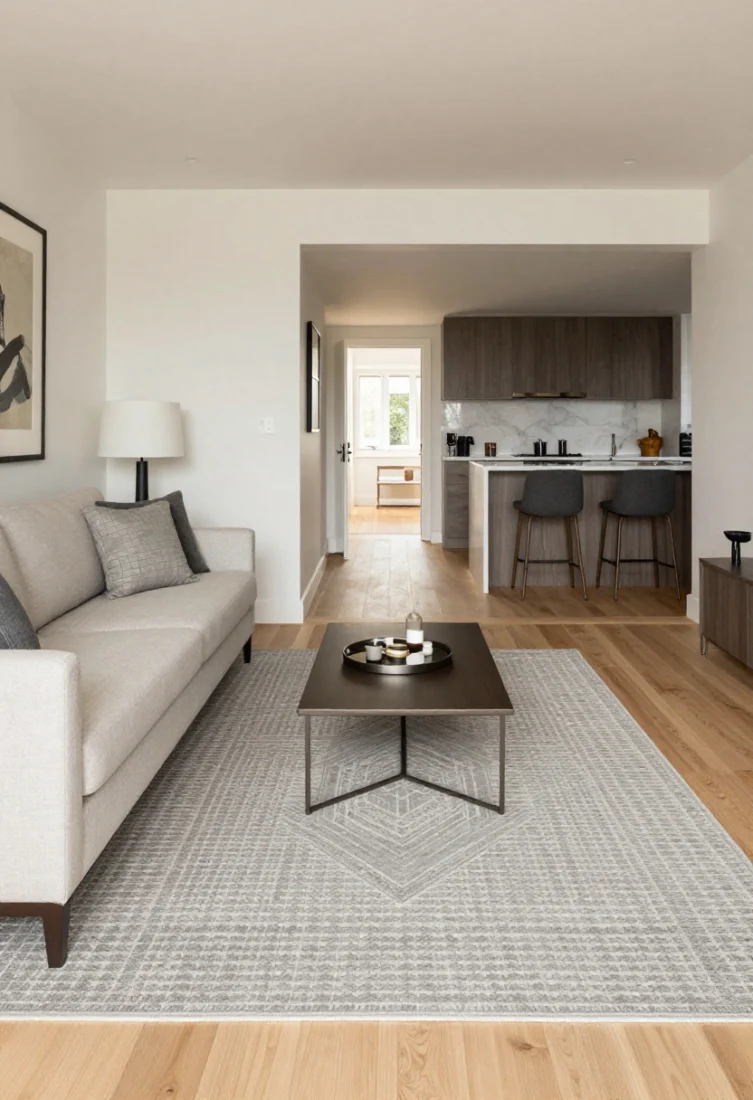
When space is tight, definition is everything. A substantial rug—ideally large enough for front furniture legs to sit on—anchors a zone, making it feel cohesive and intentional. In a studio, a plush wool or low-pile hand-knotted rug can visually “frame” the living area, while a flatweave runners leads the eye from entry to kitchen.
Which Home Upgrade Does Your Space Really Need?
Answer 5 quick questions to discover the ideas that will work best for your home.
Why it works: Scale and proportion. A larger rug expands perceived floor area by creating a calm field of color and texture. Pattern adds rhythm; a quiet, sophisticated palette keeps the look refined.
- Choose materials with subtle texture—hand-tufted wool, jute blend, or a performance weave.
- Use tonal contrast: a mid-tone rug against light floors grounds furniture and cuts clutter visually.
- Avoid busy micro-patterns everywhere—one statement underfoot is enough; echo it softly in pillows or art.
Shop cues: Look for rugs, runners, underlay pads to prevent slippage.
2. Invest in Slim, High-Impact Lighting That Layers the Room
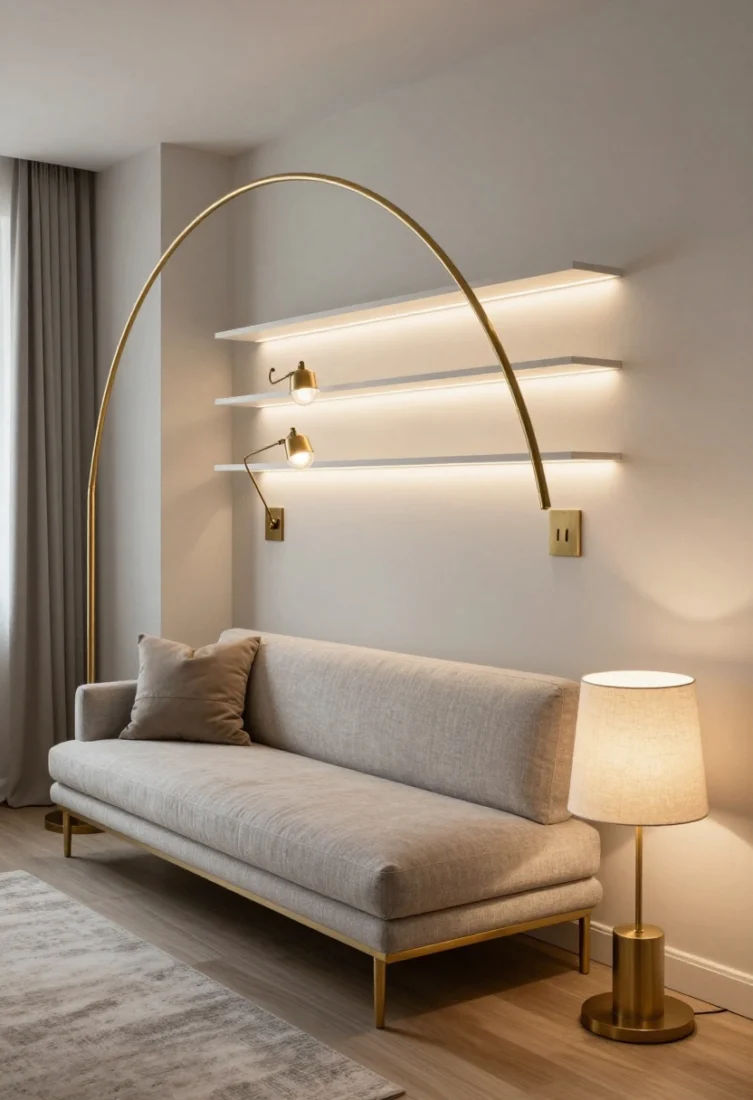
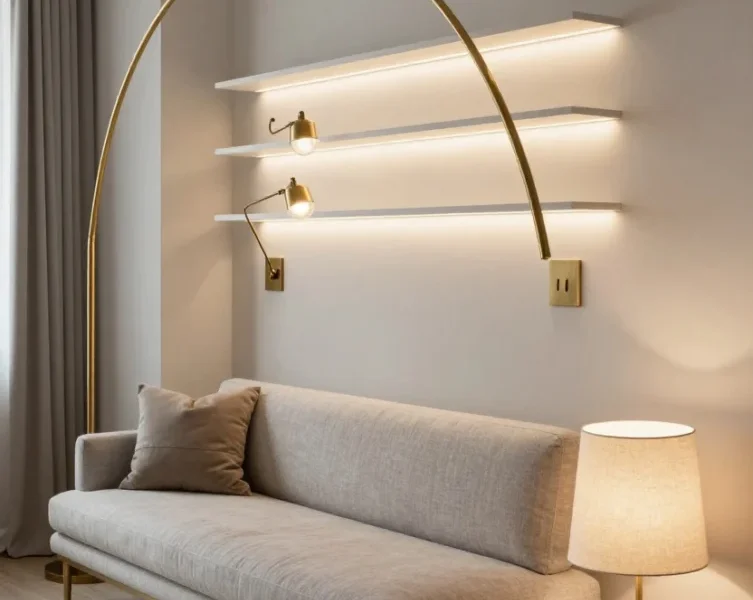
Overhead fixtures alone flatten a small space. Layering light—ambient, task, and accent—adds dimension, depth, and a sense of luxury. A graceful arc floor lamp over a sofa, a swing-arm sconce near the bed, and a petite table lamp on a console can replace bulky side tables.
Why it works: Lighting sculpts volume. It directs attention, highlights texture, and creates negative space where shadows fall, all of which makes a room feel larger and more inviting.
- Prioritize slim profiles: plug-in sconces, picture lights, and linear LED strips under shelves.
- Use warm bulbs (2700K–3000K) for intimacy; dimmers offer granular control.
- Avoid drum shades that block line of sight; choose glass, linen, or metal shades with a slender silhouette.
Shop cues: Floor lamps, plug-in sconces, LED strips, dimmer switches.
3. Float the Sofa and Use Airy Bases to Let Floors Breathe
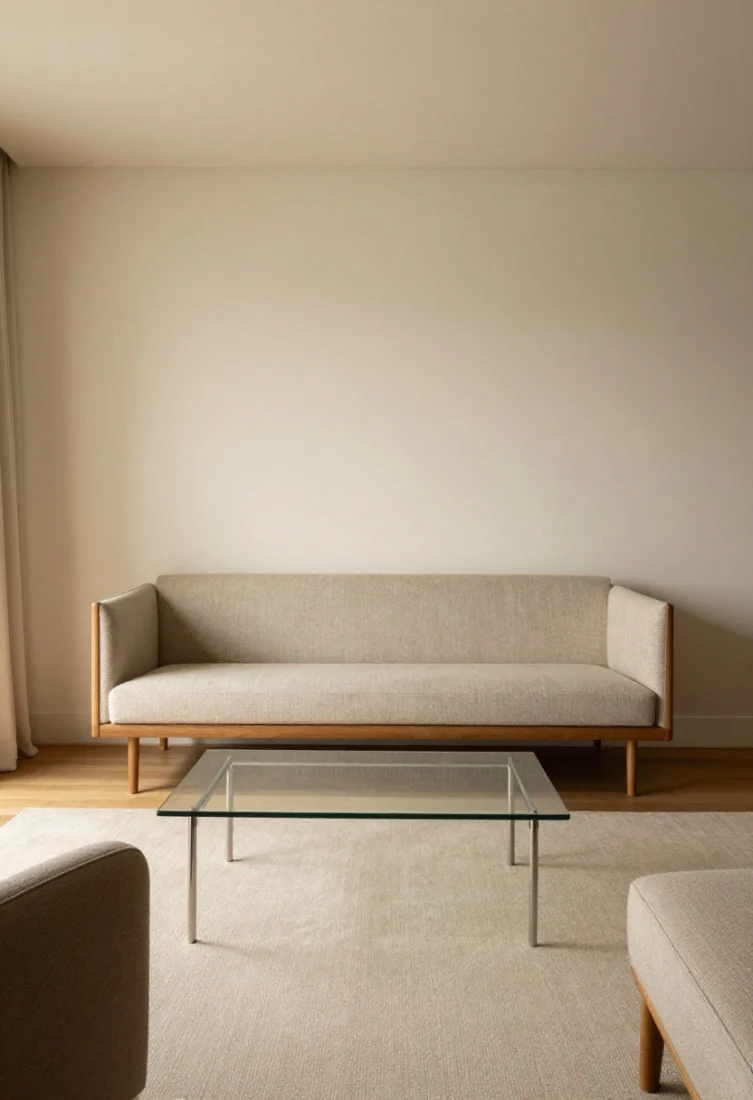
A common mistake is shoving the sofa against the wall. Instead, float a compact, bench-seat sofa on slender legs and keep the line under the furniture open. Pair with a clear or metal-base coffee table to reduce visual heaviness.
Why it works: Visible floor area tricks the eye into reading the space as larger. Floating gives circulation a path, and the sofa becomes an island that zones the room without walls.
- Bench-seat sofas read cleaner than multi-cushion styles; choose tight back or two-cushion backs for crisp lines.
- Go for 30–34 inches seat depth to balance comfort with footprint; prioritize a low arm profile.
- Avoid deep skirts and bulky roll arms which visually swallow square footage.
Shop cues: Sofas, armless accent chairs, nesting coffee tables.
4. Master Vertical Storage With Slim, Built-In-Look Shelving
🎯 Discover Your Home Decor Style
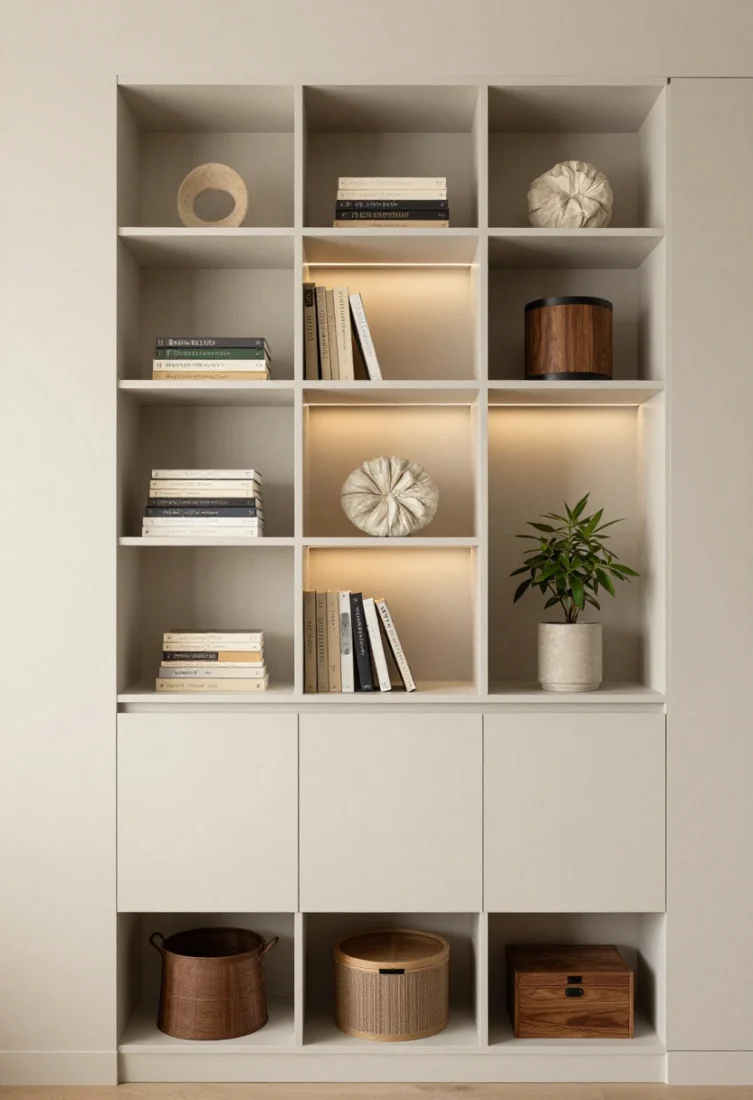
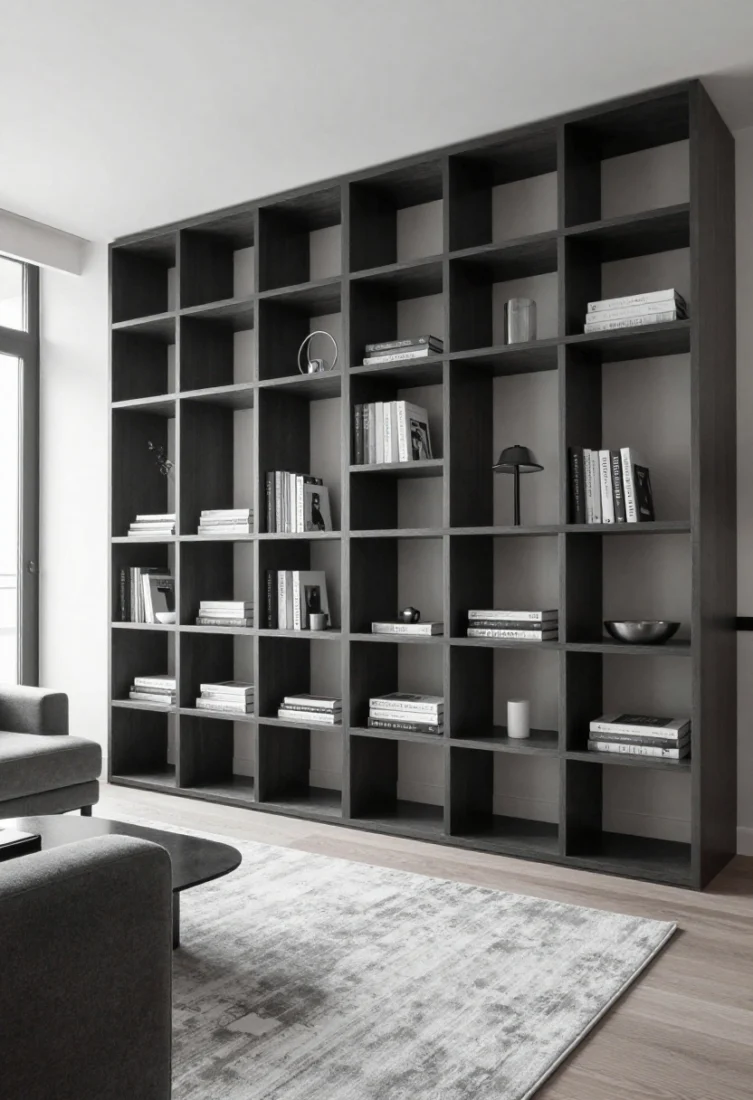
When floor space is lean, go tall. A wall of slim shelving—whether modular or custom-fitted—creates a refined, “built-in” look without construction. Keep lower shelves for closed storage and style open shelves above with restraint.
Why it works: Vertical rhythm draws the eye up, amplifying ceiling height. Combining closed and open elements balances function with aesthetic calm.
- Choose shelves at 10–12 inches deep; deeper shelves overwhelm a compact room.
- Color-match the shelves to the wall for continuity, or choose a luxe contrast (walnut, ebonized oak) for drama.
- Style in thirds: books horizontally and vertically, a sculptural object, and a small plant or bowl.
Shop cues: Bookcases, modular shelving, lidded boxes, storage baskets.
5. Elevate With Reflective Surfaces: Mirrors, Metal, and Glass
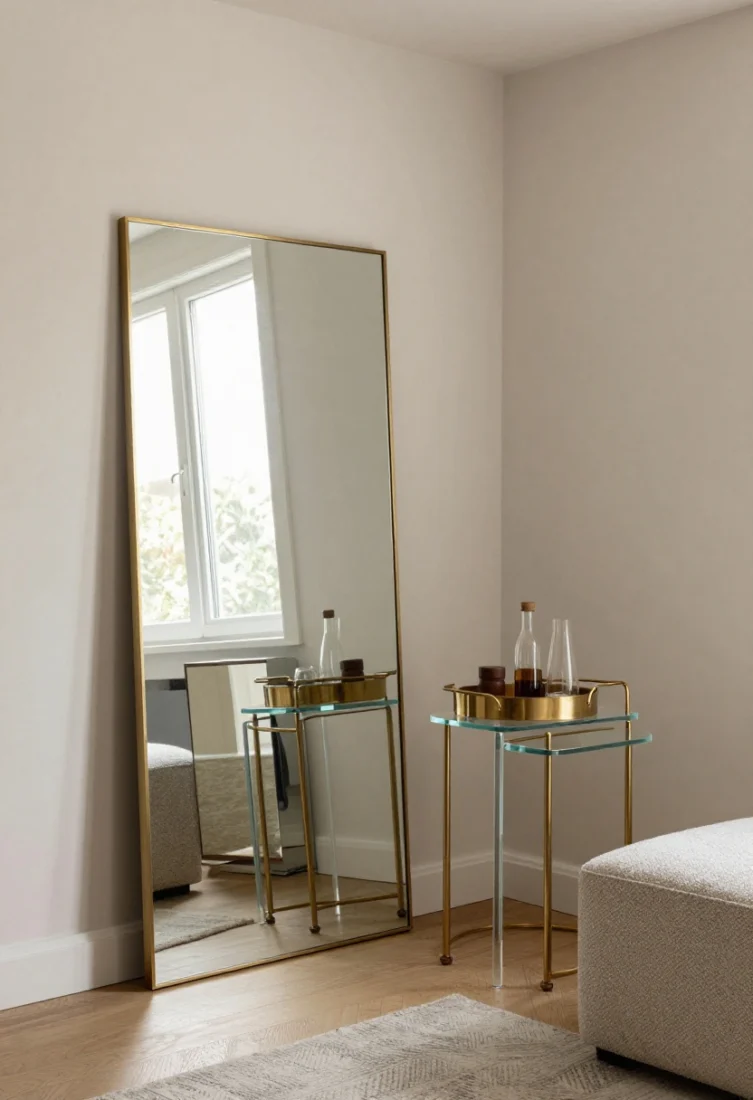
Strategically placed mirrors double light and extend sightlines. A tall mirror opposite a window multiplies daylight; a mirrored niche behind a bar cart makes entertaining zones sparkle. Temper shine with matte elements for balance.
Why it works: Reflection increases perceived volume while varied finishes—brushed brass, antiqued mirror, clear glass—layer sophistication. The interplay of sheen and matte adds texture without clutter.
- Use one large mirror rather than many small ones to avoid visual noise.
- Choose frames that echo other metals in the room for harmony—think lighting hardware or table legs.
- Glass or acrylic tables maintain flow and line of sight; add a tray to corral items.
Shop cues: Wall mirrors, console mirrors, bar carts, glass nesting tables.
6. Choose Multi-Taskers: Ottomans, Benches, and Fold-Flat Pieces
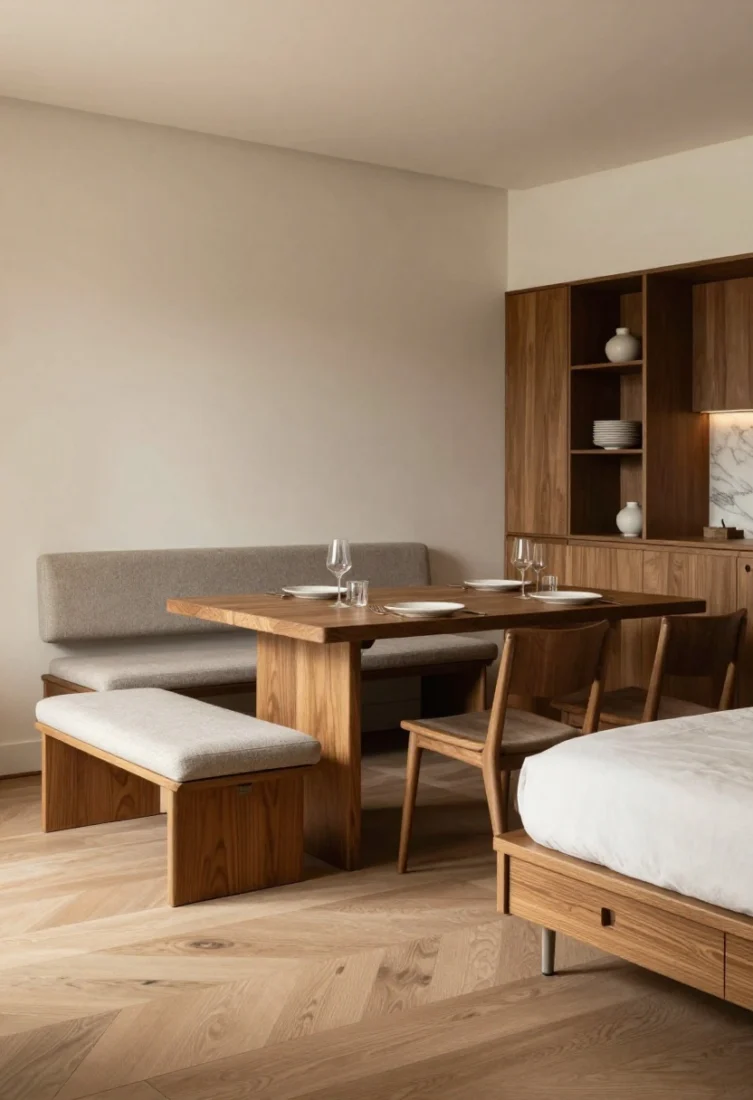
Every piece should earn its place. Opt for ottomans that store throws, benches that slip under a console for extra seating, and drop-leaf tables that expand for dinner. A sleeper sofa or a daybed with drawers turns a living room into a guest zone.
Why it works: Flexibility supports multiple functions—work, lounge, host—without visual sprawl. Simple silhouettes maintain a calm envelope as the room transforms through the week.
- Look for lift-top coffee tables, nesting side tables, and platform beds with drawers.
- Consider foldable dining chairs hung on a wall hook rail between uses.
- Avoid chunky storage chests that disrupt pathways; choose pieces on legs or low profiles.
Shop cues: Storage ottomans, benches, drop-leaf tables, sleeper sofas.
7. Curate Wall Decor With Purposeful Scale and Negative Space
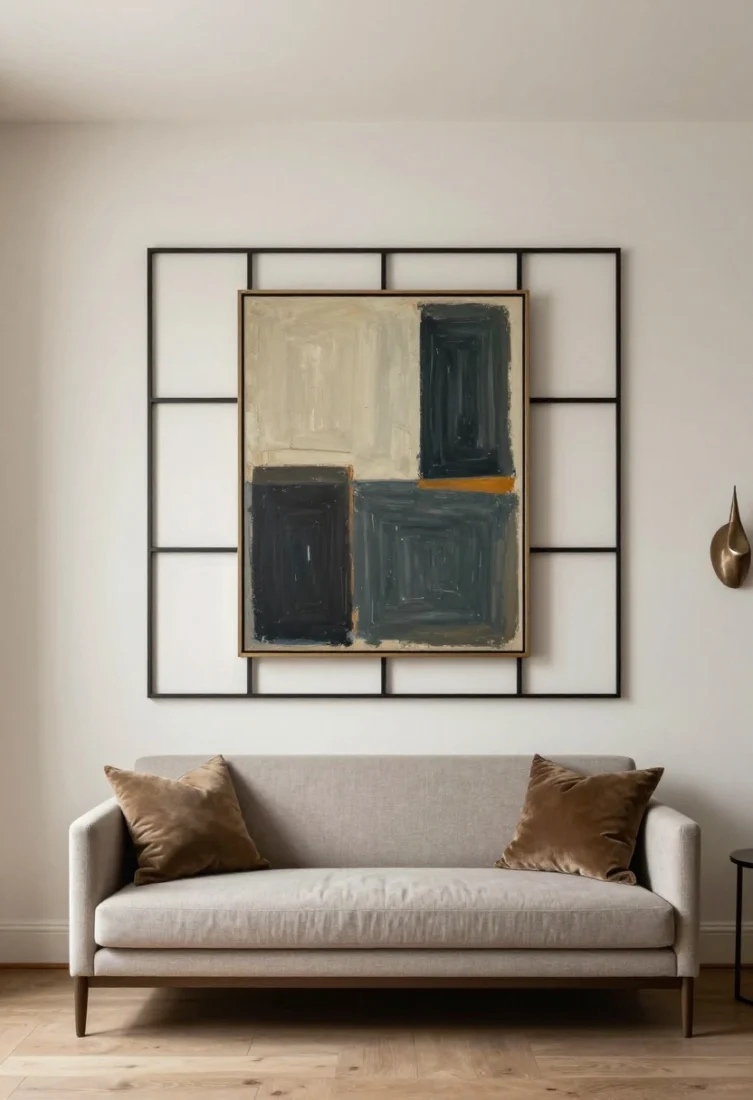
Art should be bold but not busy. One large piece or a tight, grid-style gallery above the sofa reads cleaner than scattered frames. Leave breathing room around art so the wall doesn’t feel crowded.
Why it works: Scale commands attention and organizes the visual field. Negative space prevents a small room from feeling anxious while still delivering personality.
- For low ceilings, choose vertical compositions; for long walls, consider panoramic works.
- Use frames that match or complement metal finishes in the room for cohesion.
- Avoid over-layering walls with shelves plus busy art; pick one hero moment per wall.
Shop cues: Framed art, canvas prints, sculptural wall hangings, picture ledges.
8. Create a Luxe Bed Niche With Hotel-Level Restraint
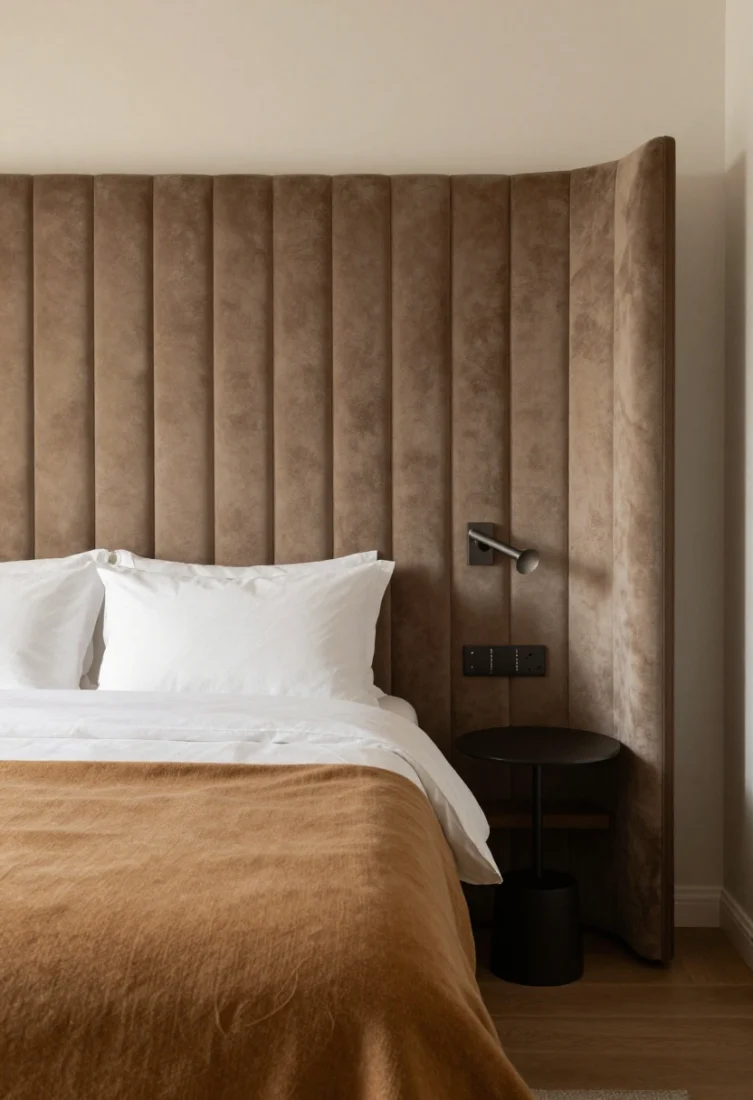
Even a tiny bedroom—or a studio with a bed corner—can feel five-star with crisp bedding, a tailored headboard, and sconce lighting. Use a narrow floating nightstand or a small round pedestal table and keep the palette quiet with one rich accent (e.g., a velvet pillow or mohair throw).
Why it works: Restraint reduces visual clutter, and symmetry around the headboard calms the eye. Vertical channel tufting or a sculptural headboard adds texture without bulk.
- Pick a headboard that’s tall and slim; wall-mount to save inches.
- Use plug-in sconces to free surface space and align the light beam for reading.
- Choose bedding with a mix of textures—percale sheets, linen duvet, cashmere throw.
Shop cues: Headboards, plug-in sconces, pedestal side tables, luxe bedding.
9. Define an Entry With Micro-Furniture and Hidden Catchalls
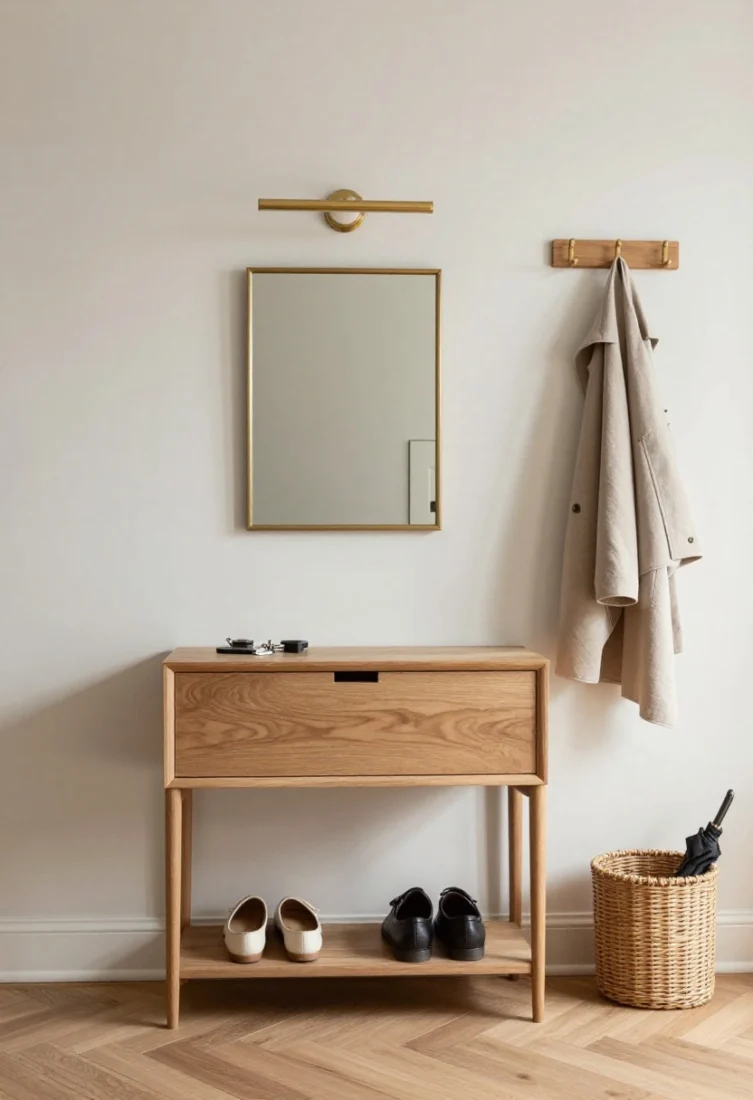
Give yourself a proper arrival moment. A slender console with drawers, a small mirror, and a wall-mounted hook rail creates order and ceremony, even in 24 inches of wall. A tray corrals keys; a lidded basket hides shoes or umbrellas.
Why it works: Thresholds set tone and structure. Starting organized curbs clutter from seeping into living zones and creates an elegant transition with minimal square footage.
- Choose a console at 10–12 inches deep; float it or use slender legs.
- Mount a shelf above for hats and gloves; add a small runner to visually separate the entry from the living area.
- Avoid bulky coat trees; wall hooks keep airspace open.
Shop cues: Slim consoles, wall hooks, trays, runners, storage baskets.
10. Soften Acoustics and Edges With Layered Textiles
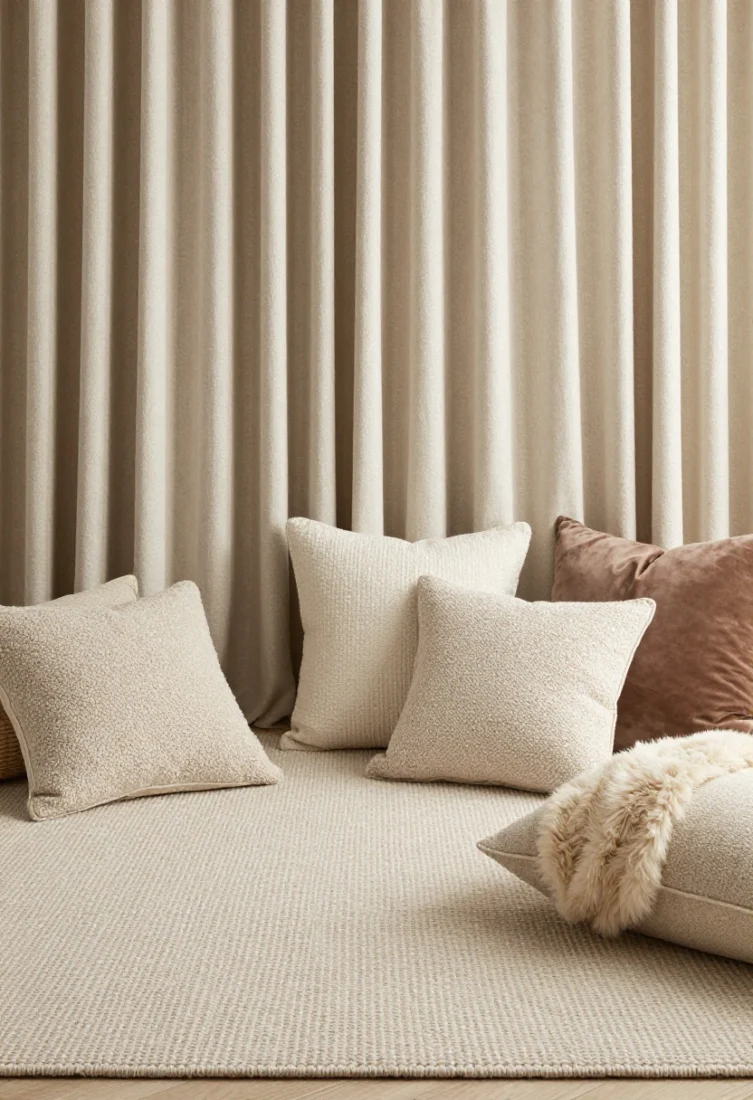
Textiles do more than warm a room—they manage acoustics and amplify comfort. Layer a plush rug with a smaller accent rug, add lined drapery from ceiling to floor, and mix nubby weaves with smooth velvets for tactile richness.
Why it works: Texture creates contrast without adding visual clutter. Floor-to-ceiling drapery elongates walls, while layered fabrics absorb echo in airy, hard-surfaced apartments.
- Hang drapery at the ceiling line and break slightly on the floor for luxury.
- Use tie-backs or sleek ripple-fold tracks to keep fabric tidy.
- Avoid too many small pillows; choose fewer, larger, well-made cushions.
Shop cues: Curtains, curtain rods, area rugs, throw blankets, oversized pillows.
11. Edit Kitchen and Dining With Sculpted, Space-Savvy Forms
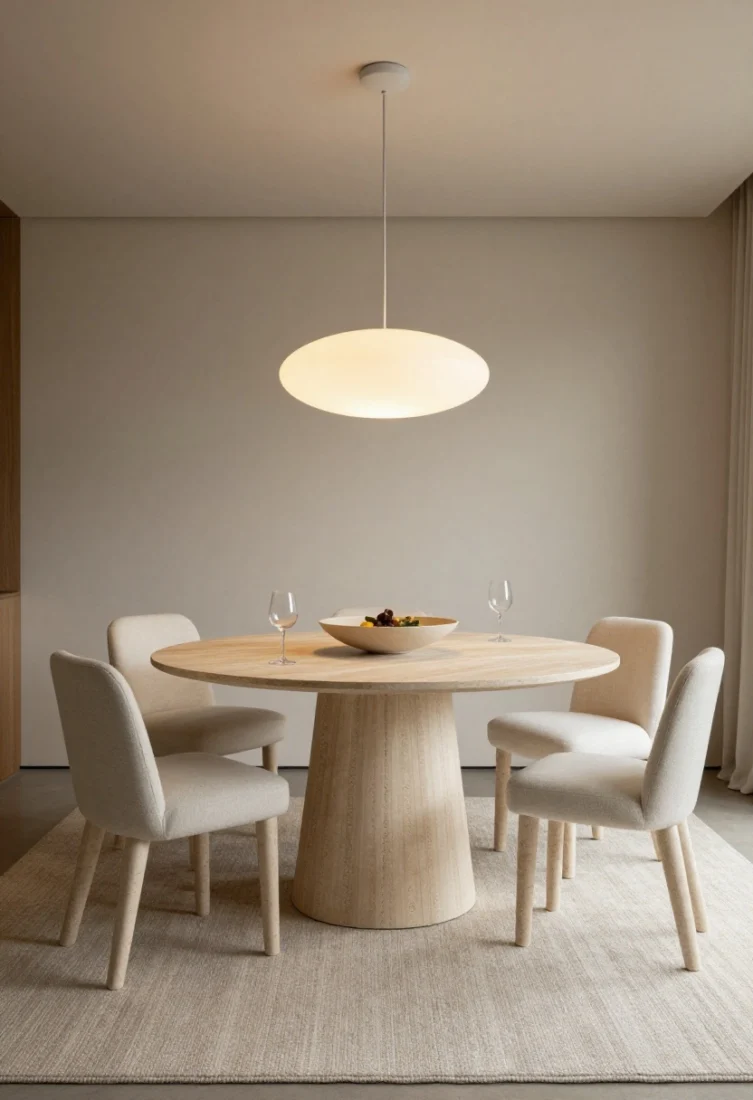
Compact dining isn’t a compromise if you choose sculpted forms and quality materials. A round pedestal table eliminates corners and feels gracious; pair with armless upholstered chairs or sculptural stools at a slim island.
Why it works: Curves promote flow in tight paths. A pedestal base preserves legroom and keeps sightlines open, which expands perceived space around the dining zone.
- Anchor with a small flatweave rug slightly larger than the table diameter to define the area.
- Use a pendant with a diffused shade to pool warm light; add a dimmer for mood shifts.
- Keep surfaces clear—store barware on a tray or inside a closed cabinet.
Shop cues: Pedestal dining tables, armless dining chairs, pendants, bar stools.
12. Embrace Monochrome With Momentary Contrast for Quiet Luxury
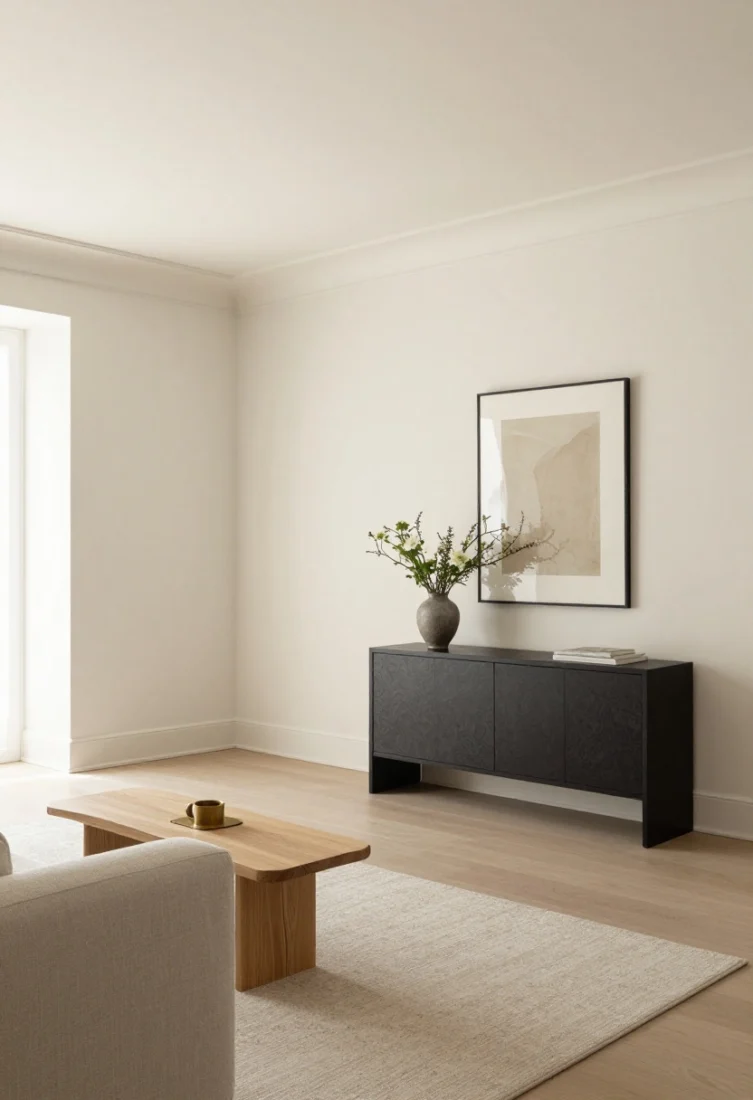
A considered, near-monochrome palette—creamy whites, warm taupes, cool greiges—feels expansive and timeless. Introduce contrast through a single dark anchor (a charcoal console, a black-framed mirror) and metallic accents that glint rather than shout.
Why it works: Consistent color reduces visual fragmentation. Strategic contrast grounds the palette, while soft shifts in tone and texture create depth that reads upscale.
- Paint walls, ceiling, and trim in one color, varying sheen: eggshell for walls, satin for trim.
- Layer in natural materials—oak, travertine, linen—to prevent flatness.
- Avoid hyper-saturated accents in large doses; keep bold color to art or flowers.
Shop cues: Paint, throw pillows, accent tables, decorative objects.
13. Conceal the Mess: Smart Doors, Panels, and Cable Discipline
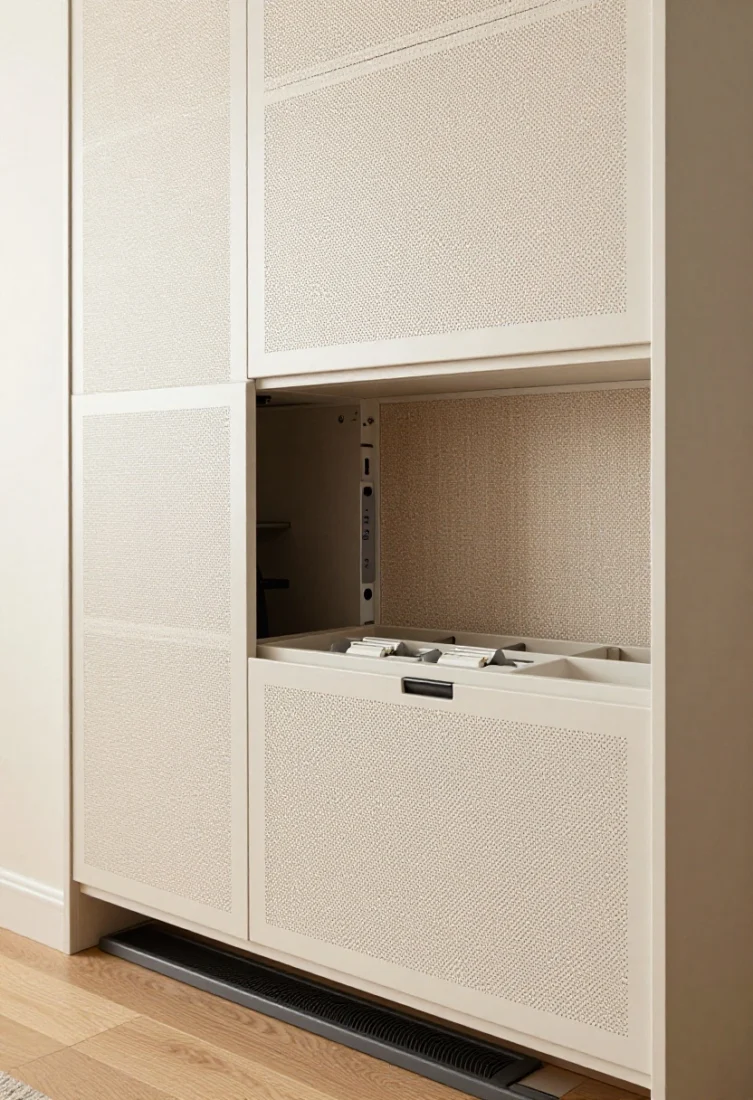
Visual serenity is priceless in a small home. Use fabric panels, sliding doors, or slim media cabinets to hide cords and gear. Add a dedicated charging drawer and label inside bins to keep surfaces photo-ready.
Why it works: Clutter steals space psychologically. Concealment restores clean lines and preserves the luxe feeling you’ve created with materials and light.
- Mount a cable raceway along the baseboard; use cord clips behind consoles.
- Choose media units with perforated doors for airflow and remote access.
- Use uniform baskets in closets to simplify the visual field behind doors.
Shop cues: Media cabinets, storage bins, cord organizers, sliding panels.
Smart Shopping Snapshot
- Rugs: Go larger to anchor zones. Flatweave or low-pile for doors and high-traffic paths.
- Sofas/Seating: Slim arms, raised legs, modular or sleeper options.
- Lighting: Plug-in sconces, dimmable floor lamps, sculptural pendants.
- Storage: Vertical shelving, closed bases, nesting and lift-top tables.
- Wall Decor: One bold piece or a restrained grid; keep frames consistent.
What to Avoid
- Overstuffed furniture with skirts or oversized rolled arms that visually crowd the room.
- Too many small patterns competing across rugs, pillows, and art.
- Under-scaled rugs that make furniture float awkwardly.
- Single-source lighting that flattens everything.
- Open storage everywhere; mix in closed pieces to rest the eye.
Styling Touches That Make It Feel Finished
- Trays to corral remotes, candles, or barware—form and function.
- Greenery in sculptural vessels; one larger plant often beats many tiny ones.
- Books stacked horizontally with a stone or brass object on top for quiet sophistication.
- Fresh flowers in a low bowl on the dining table to avoid visual block.
Putting It All Together
Start with the envelope: paint, rugs, and drapery to set tone and scale. Add core pieces—sofa, storage, table—choosing refined profiles and elevated textures. Layer lighting in three heights. Then edit: remove one item from every surface. The result is a compact home that feels composed, adaptable, and unmistakably high-end.
Conclusion
Small apartments thrive on intention. By shaping zones with rugs, lifting the eye vertically, and insisting on multi-tasking pieces, you create a space that’s not only tidy and efficient but genuinely luxurious. These tiny apartment decor ideas maximize space—smart & stylish—by leaning on design principles that never go out of fashion: proportion, balance, layered light, and tactility. Edit thoughtfully, invest in materials that feel good to the touch, and let every decision serve clarity and comfort.
FAQ
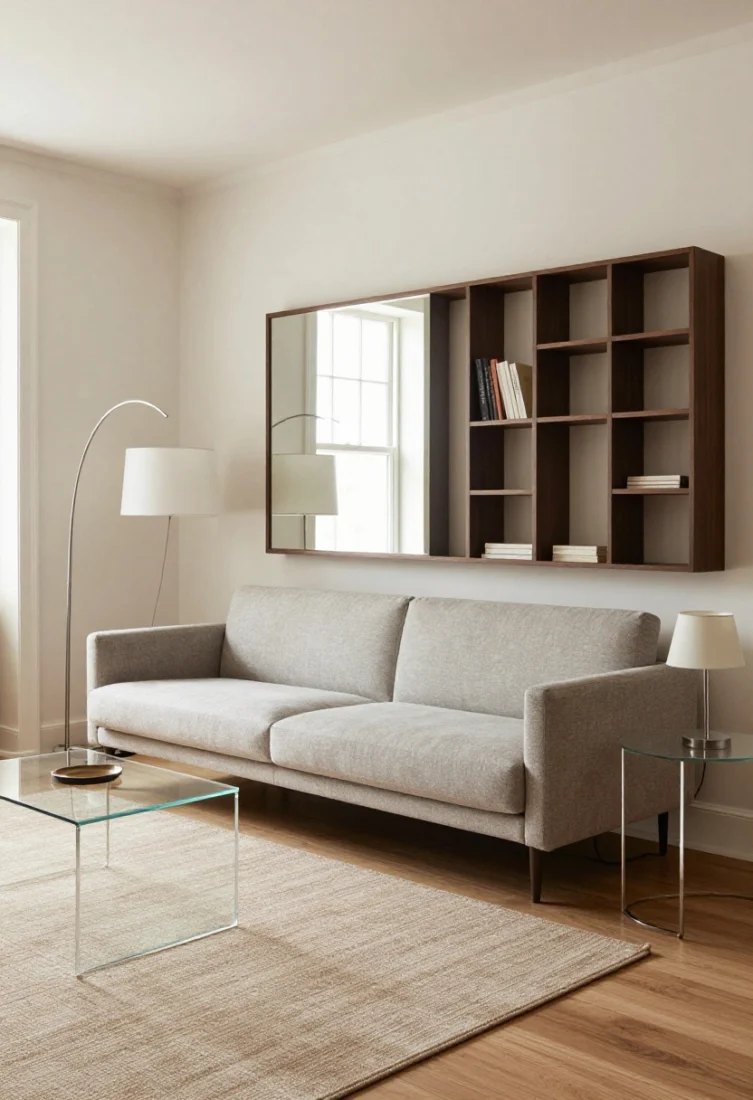
How do I make a tiny living room feel larger without repainting?
Use a larger rug to consolidate furniture, add mirrors opposite windows to bounce light, and swap heavy side tables for glass or metal-base options. Layer lamps to introduce depth and soften edges.
What’s the best sofa size for a small apartment?
Aim for 72–82 inches wide with slim arms and raised legs. A bench seat and tight back read cleaner, maintain sightlines, and preserve precious floor area.
How can I add storage without cluttering walls?
Choose tall, slim shelving with a closed base, integrate storage ottomans and benches, and use concealed cable management. Keep open shelving styled sparingly and color-match large pieces to walls for a built-in effect.
Recommended Products
Disclosure: As an Amazon Associate, this site may earn from qualifying purchases.
These affiliate-ready categories are broad, safe shopping prompts readers can use to build the look without fake pricing or made-up reviews.
- Zone-defining rugs — Anchor spaces and make rooms feel larger
- Layered lighting — Slim fixtures add depth without hardwiring
- Vertical storage — Tall units maximize height and hide clutter
- Multi-task seating — Adds seating and hidden storage in small rooms
- Reflective accents — Bounces light and expands sightlines
Shop the Look on Amazon: Give readers a fast path from inspiration to action.
Find Your Style
Answer each question to unlock a quick designer tip for your space.
1. Which change makes a living room feel elevated the fastest?
2. What usually makes this style feel more expensive?
3. If you want guests to stay longer, what should you improve first?
What’s new in home decor
Give readers a reason to come back tomorrow: fresh room ideas, new styling trends, and practical product inspiration.
- 14 Cottagecore Garden Ideas (cozy Outdoor Spaces You’ll Love)
- Small Space Decor That Feels Luxury: 7 High-impact Design Moves
- 15 Scandinavian Dining Room Ideas That Feel Minimal and Bright—but Never Boring
- How I Turned a Tiny Room Into a Vintage Craft Space That Actually Works
Return daily: refresh your feed, browse new decor ideas, and keep building your next room upgrade step by step.
Some content on this website is created with AI assistance and carefully reviewed and edited by the Nekig team to ensure quality and accuracy.
💬 Join Our Small Space Living & Decor Community
Get daily apartment decor ideas, smart storage hacks, and budget-friendly inspiration from thousands of small space lovers.
👉 Join the Facebook Group
What would you try first?
Invite readers to comment with their favorite idea, their room challenge, or the one update they want to copy from 13 Tiny Apartment Decor Ideas That Maximize Space (smart & Stylish).
Tell us in the comments: Which tip fits your home best right now, and what room should we cover next?