
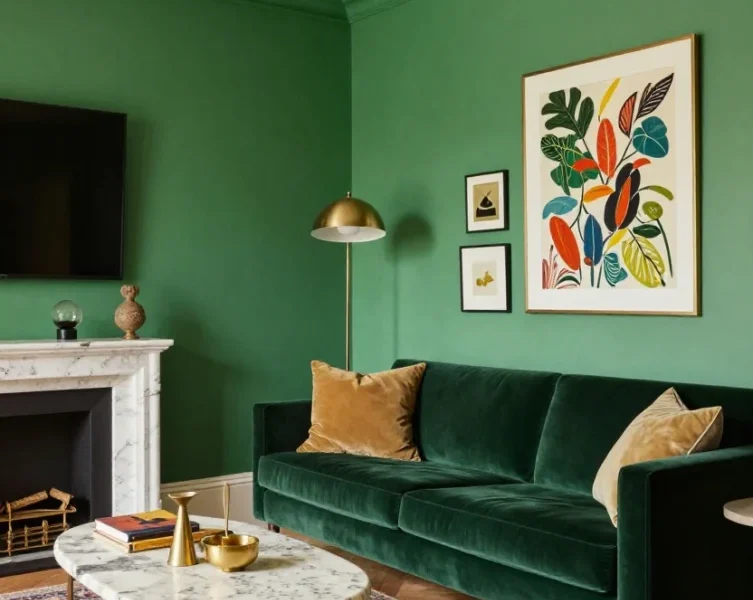
Ditch the timid beige—your rooms deserve drama, depth, and a little audacity.
If you’ve been craving interiors that feel richer, braver, and impossible to forget, you’re in the right place.
This guide to 12 Bold Home Decor Ideas (Maximalist Style 2026) delivers editor-approved strategies to layer color, pattern, and personality—without sacrificing elegance, balance, or livability.
Which Home Upgrade Does Your Space Really Need?
Answer 5 quick questions to discover the ideas that will work best for your home.
1) Super-Saturated Walls With High-Sheen Ceilings
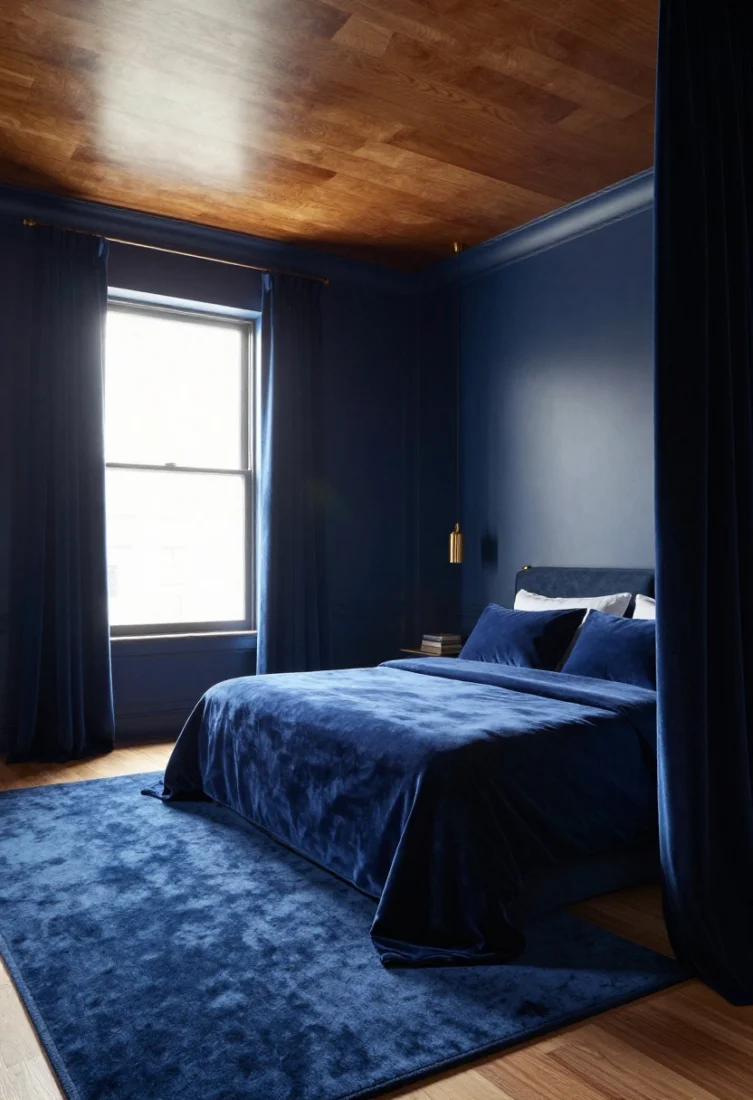
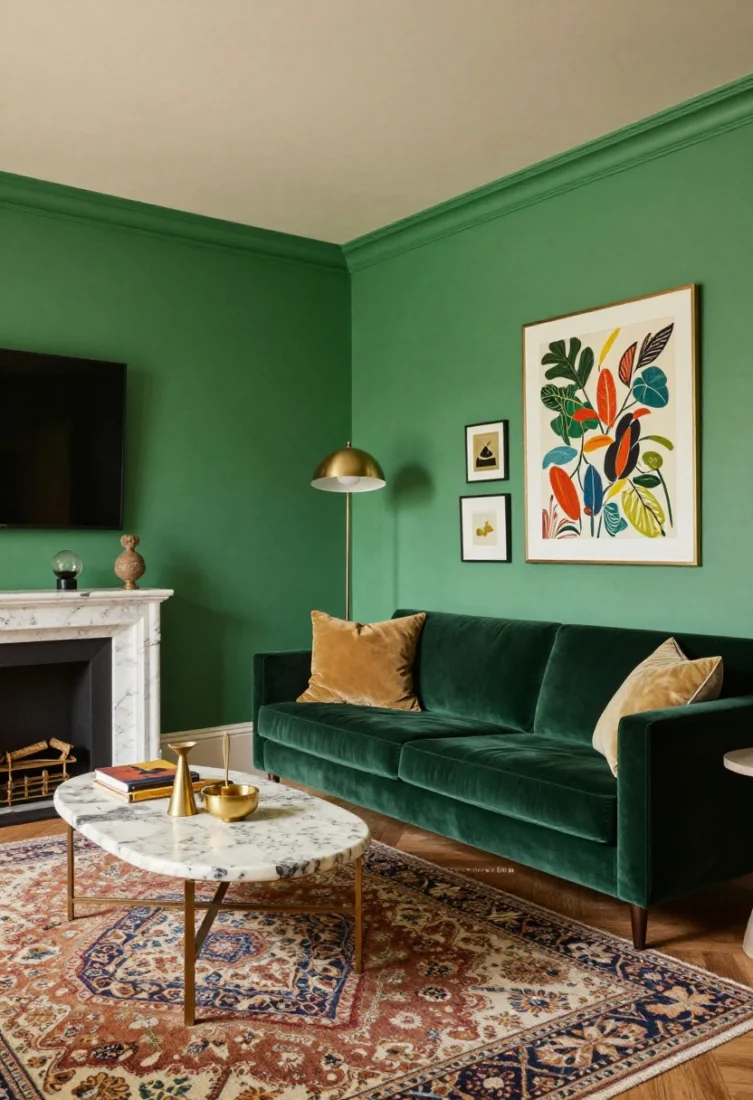
Maximalism begins with enveloping color. In 2026, designers are leaning into sumptuous saturation—think bottle green libraries, aubergine dining rooms, or ultramarine bedrooms—paired with a reflective ceiling finish that bounces light and amplifies volume. The sheen (satin to high-gloss) acts as a visual uplight, expanding perceived height and adding a touch of glamour.
Why It Works
- Contrast and balance: Deep walls ground the space while a glossy ceiling lightens the envelope.
- Proportion: Rich color pulls walls inward in a cocooning way; reflective ceilings push the eye upward.
- Texture: Lush matte walls plus gleaming lacquer = intentional layering.
How to Try It
- Choose one saturated hue and shift the ceiling two steps lighter or add a pearlescent glaze.
- Ground with tonal rugs and heavy linen or velvet curtains.
- Shop categories: wall paint/finish, ceiling lacquer, velvet drapery, wool rugs.
Avoid: Pairing high-gloss ceilings with patchy prep work—imperfections will shout. Skim-coat first.
2) Pattern-on-Pattern—But With a Conductor
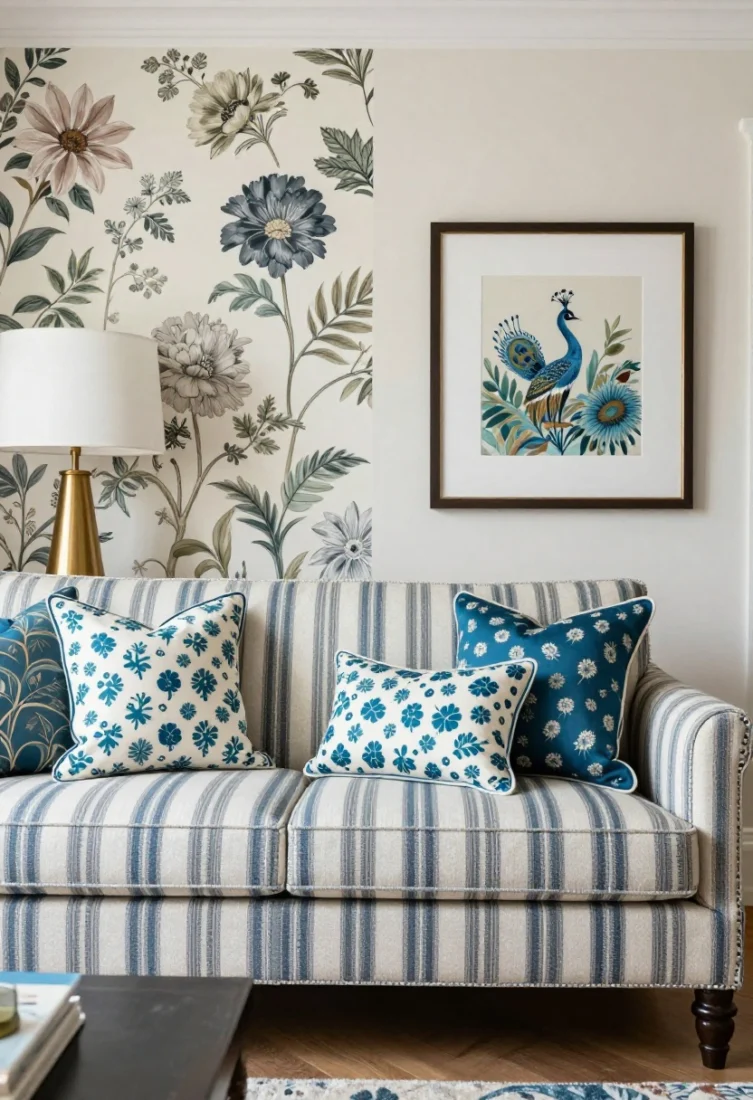
Maximalism thrives on fearless pattern mixing: a large-scale floral against a geometric stripe, then a small-scale motif to tie it together. The key: one conductor element—a color or motif that repeats across textiles and walls to orchestrate the composition.
Why It Works
- Scale: Varying pattern sizes prevents visual static; large anchors, medium support, small accents.
- Color harmony: A repeated thread color keeps exuberance intentional.
- Flow: Echo a motif in different materials—wallpaper, pillows, and art mats.
How to Try It
- Pick a hero pattern (large-scale). Add a stripe or check as the structural counterpart, then a tiny ditsy print.
- Limit your palette to 3–4 hues and repeat them across upholstery and accessories.
- Shop categories: wallpaper, upholstery fabric, throw pillows, decorative trims.
Avoid: Using multiple similar-scale prints—they compete. Stagger the scales deliberately.
3) Gallery Walls That Breathe—Salon Hang 2.0
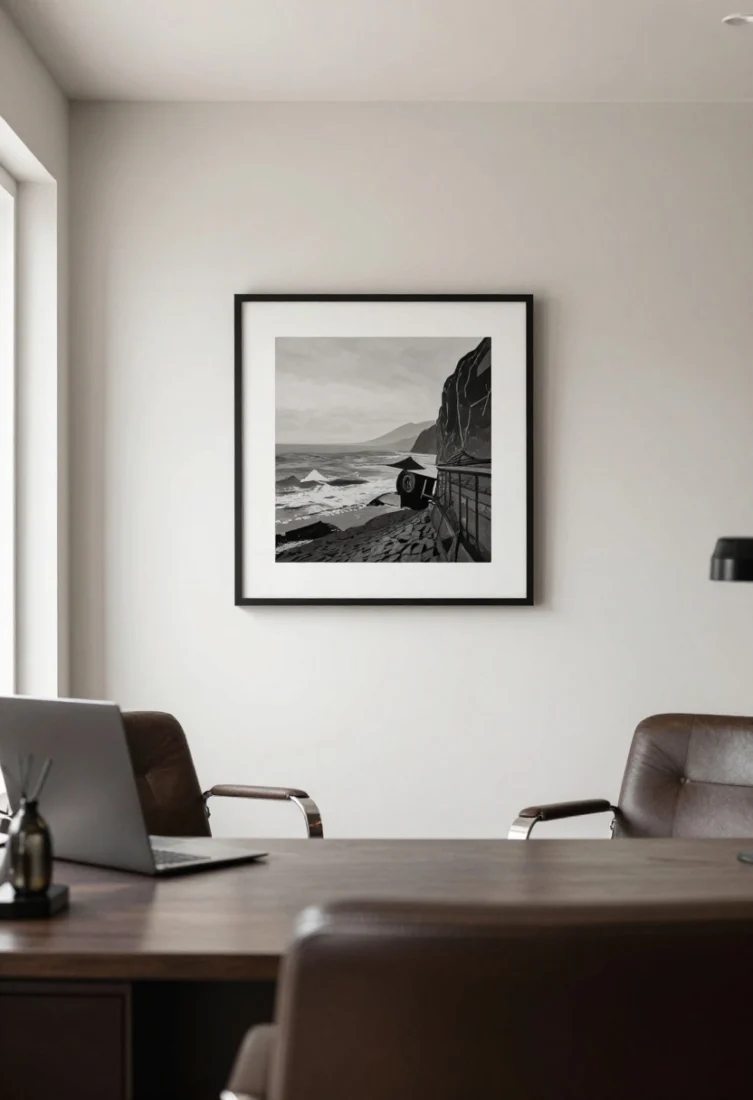
Salon-style hangs are back, but smarter: assorted frames, layered matting, and a curated mix of media (oil, photography, textile art, sculptural pieces) arranged with negative-space rhythm. It’s maximal, yet measured.
Why It Works
- Contrast: Dark frames on saturated walls create crisp punctuation.
- Balance: Vary frame sizes and weights; visually “triangulate” heavy pieces.
- Texture: Add a textile or relief piece to break the planar repetition.
How to Try It
- Lay out on the floor first. Start with a central anchor and radiate outward.
- Use consistent mat margins to knit varied art together.
- Shop categories: frames, picture lights, art shelves, textile hangers.
Avoid: Hanging everything at the same height. Stagger to create movement.
4) Monumental Lighting as Architecture
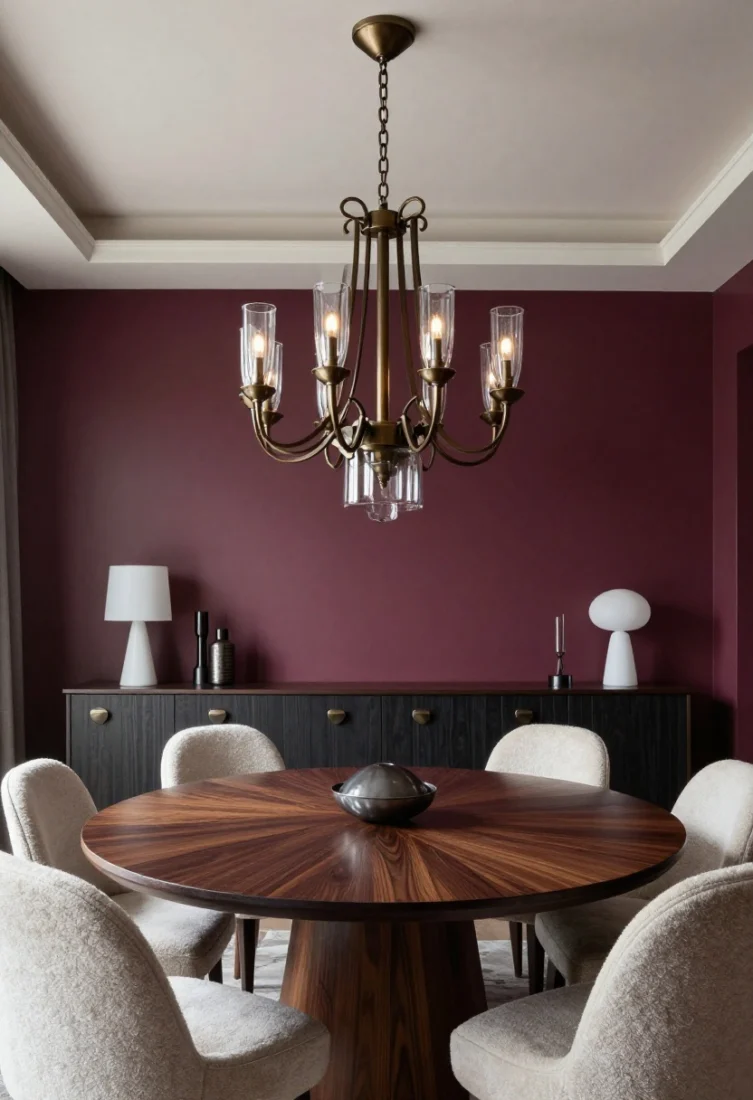
Statement lighting is the new crown molding. Go oversized with a sculptural chandelier or tiered pendant in bronze, smoked glass, alabaster, or lacquered metal. In maximalist spaces, scale is your ally—a large fixture organizes the room and adds drama with layered illumination.
Why It Works
- Scale and proportion: Big fixtures anchor generous rooms; in smaller rooms, they break the “box.”
- Layered lighting: Combine a central showpiece with wall lights, table lamps, and art lights.
- Materiality: Mixed finishes catch light differently for added depth.
How to Try It
- Target 28–34 inches diameter for standard dining tables; ensure dimmable controls.
- Echo metal finishes in cabinet hardware or side tables for cohesion.
- Shop categories: chandeliers, sconces, dimmers, statement floor lamps.
Avoid: Bright blue-white bulbs. Choose warm (2700–3000K) for flattering ambiance.
5) Luxe Maximalist Upholstery: Velvet, Mohair, and Bouclé
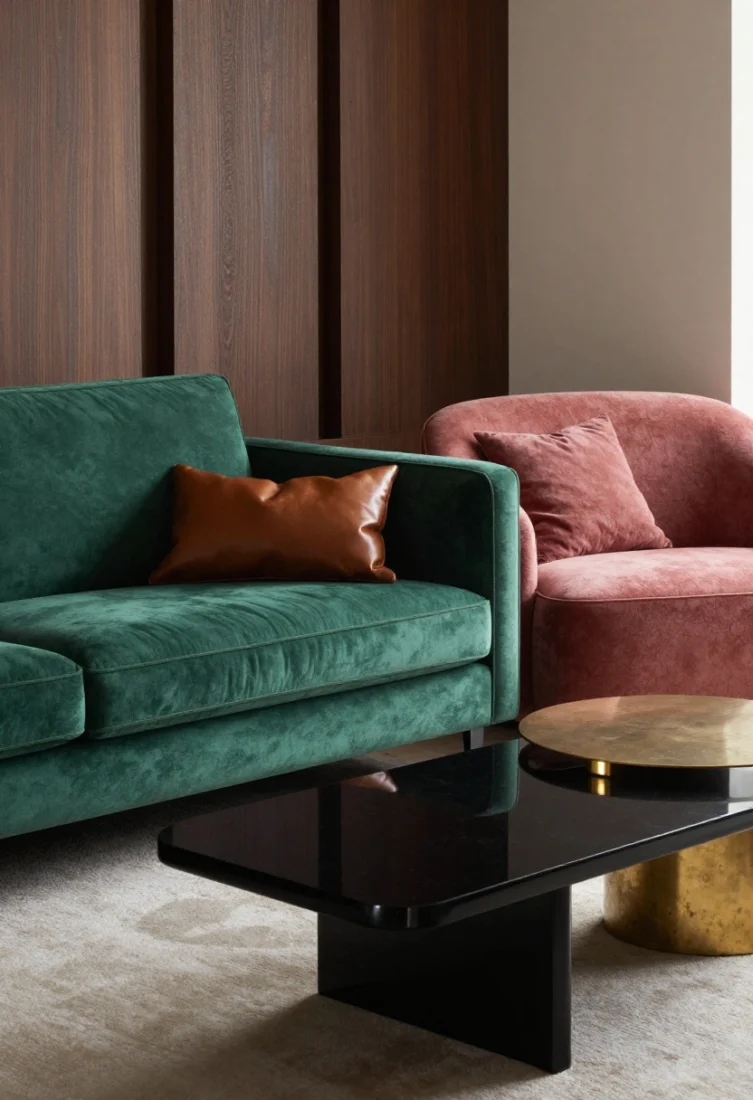
Comfort meets decadence with tactile textiles that invite touch. Think emerald mohair on a classic tuxedo sofa, a raspberry bouclé lounge chair, or a velvet banquette trimmed with contrast piping. The color saturation and pile lend a cinematic richness.
Why It Works
- Texture contrast: Plush upholstery against glossy tables and cool metals creates tension.
- Durability: Performance velvets and mohair resist crushing and staining—practical glamour.
- Visual weight: Deep hues ground open plans.
How to Try It
- Choose one hero piece in a bold fabric and echo the color once more in pillows or art.
- Use tailored silhouettes to counter heavy textures.
- Shop categories: sofas, accent chairs, ottomans, custom upholstery.
Avoid: Too many high-pile pieces in one zone—mix in smooth leather or linen for balance.
6) Patterned Floors and Expressive Rugs
🎯 Discover Your Home Decor Style
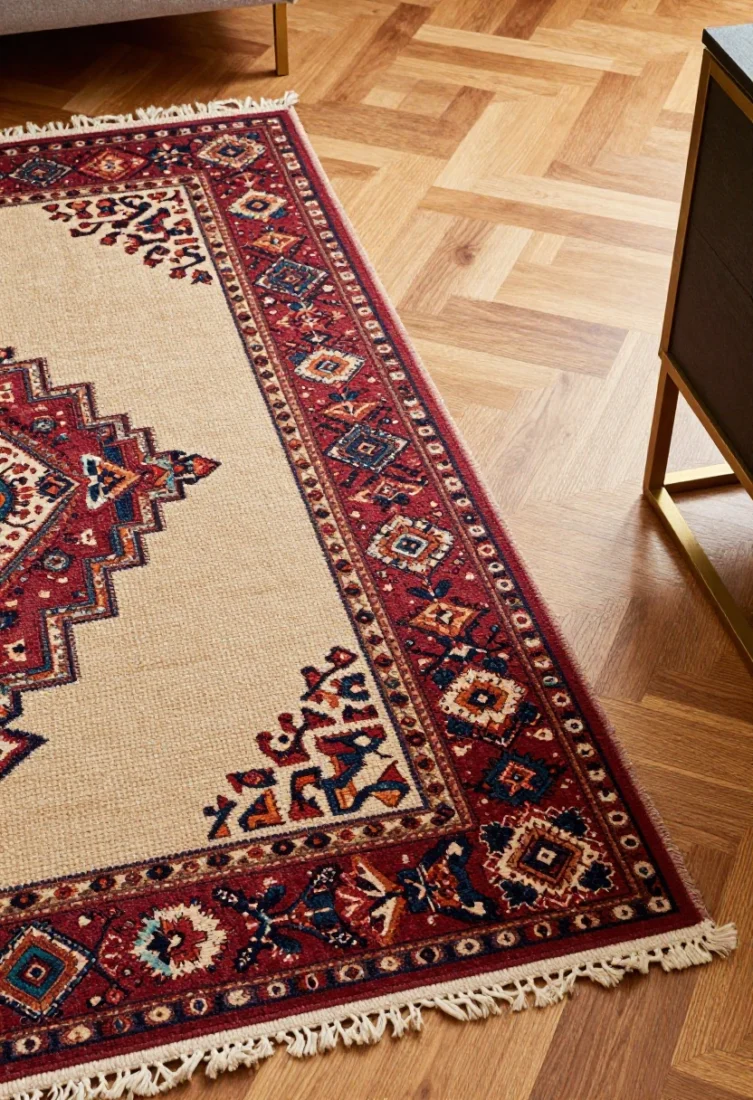
A maximalist room begins from the ground up. Painted checkerboard wood, terrazzo with overscale chips, or boldly patterned rugs define zones and set the tone. A confident floor lets walls and furniture layer without getting muddled.
Why It Works
- Flow and hierarchy: The floor acts like a “score,” guiding sightlines and conversation areas.
- Contrast: Patterned rugs under streamlined furniture sharpen silhouettes.
- Scale: Overscale motifs prevent busyness across large surfaces.
How to Try It
- Layer a vintage Persian over a sisal base for dimension.
- In small spaces, run stripes lengthwise to elongate.
- Shop categories: wool rugs, vintage runners, terrazzo tile, floor paint.
Avoid: Tiny rugs. Aim for front legs of seating on the rug to anchor groupings.
7) Maximalist Millwork: Color-Drenched Trim and Built-Ins
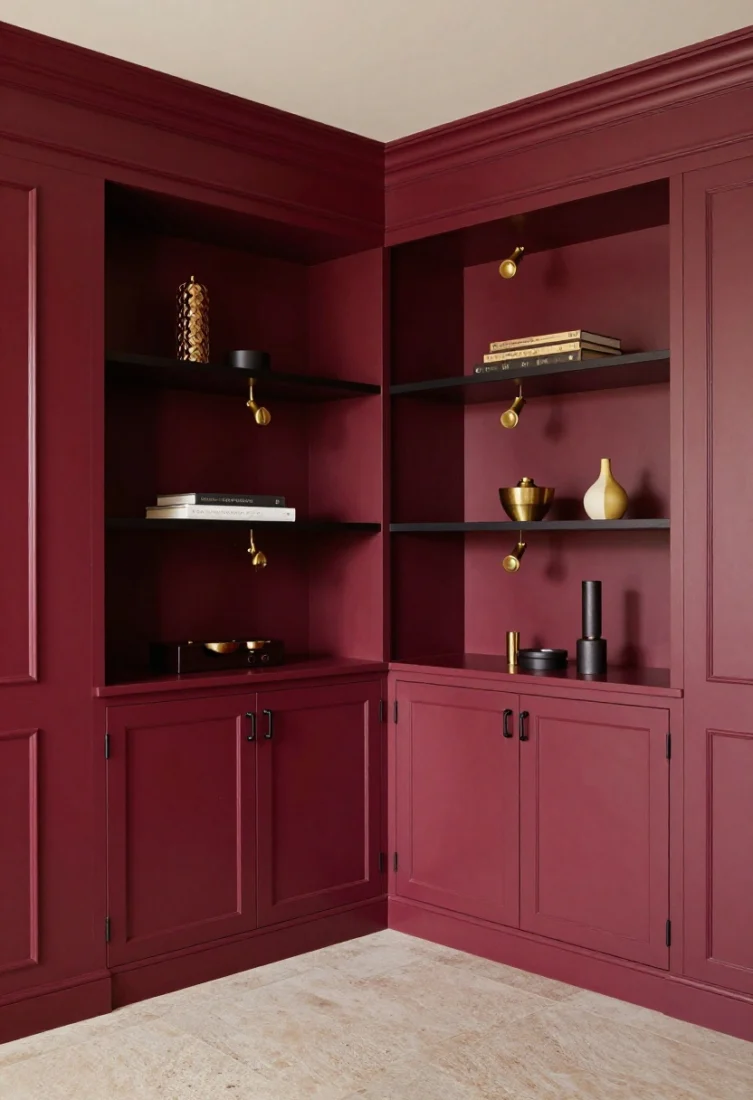
Painted moldings, paneled walls, and built-ins elevate maximalist rooms from cluttered to curated. Drench trims, doors, and cabinetry in the same saturated hue as the walls—or go deeper by one shade—to create a tailored envelope for your bold furnishings.
Why It Works
- Continuity: One-color envelopes elongate sightlines and calm abundant decor.
- Shadow play: Moldings catch light differently, adding subtle depth.
- Function: Built-ins create display zones for collections—controlled maximalism.
How to Try It
- Use satin or semi-gloss on trim for wipeability and light reflection.
- Add integrated picture lights to bookshelves to spotlight treasures.
- Shop categories: cabinet hardware, paint, picture lights, shelving.
Avoid: White trim against dark walls if you want immersion; it chops the room into pieces.
8) Curated Collections, Not Clutter
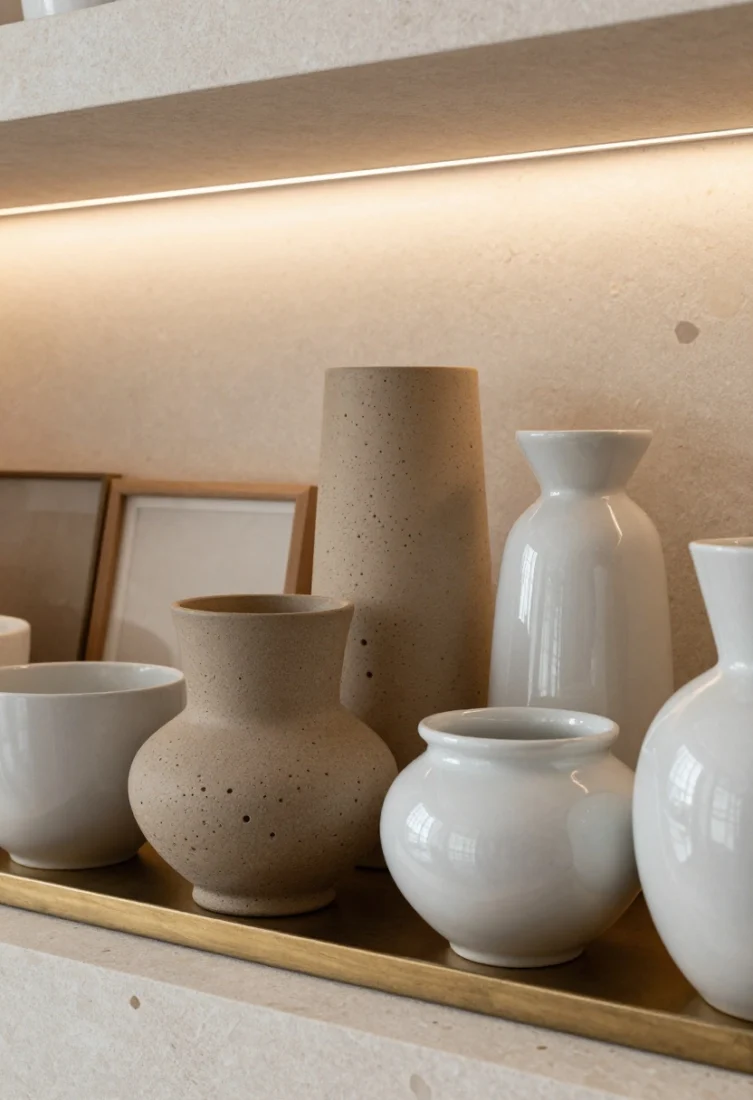
Maximalism loves collections—ceramics, vintage books, sculptural glass—but requires editing and rhythm. Group like with like. Vary heights. Use odd-number groupings and trays to contain vignettes. Let empty space frame the display for visual relief.
Why It Works
- Balance: Dense displays contrasted with clear surfaces feel intentional.
- Texture: Porous clay beside glossy glaze enhances tactile interest.
- Narrative: Collections tell a personal story—maximalism is autobiographical.
How to Try It
- Dedicate one shelf per collection; light it from above or within.
- Rotate pieces seasonally to keep the room breathing.
- Shop categories: display shelving, plinths, trays, cabinet lighting.
Avoid: Spreading smalls across every surface. Cluster for impact.
9) Metallics and Stone: The Jewelers’ Palette
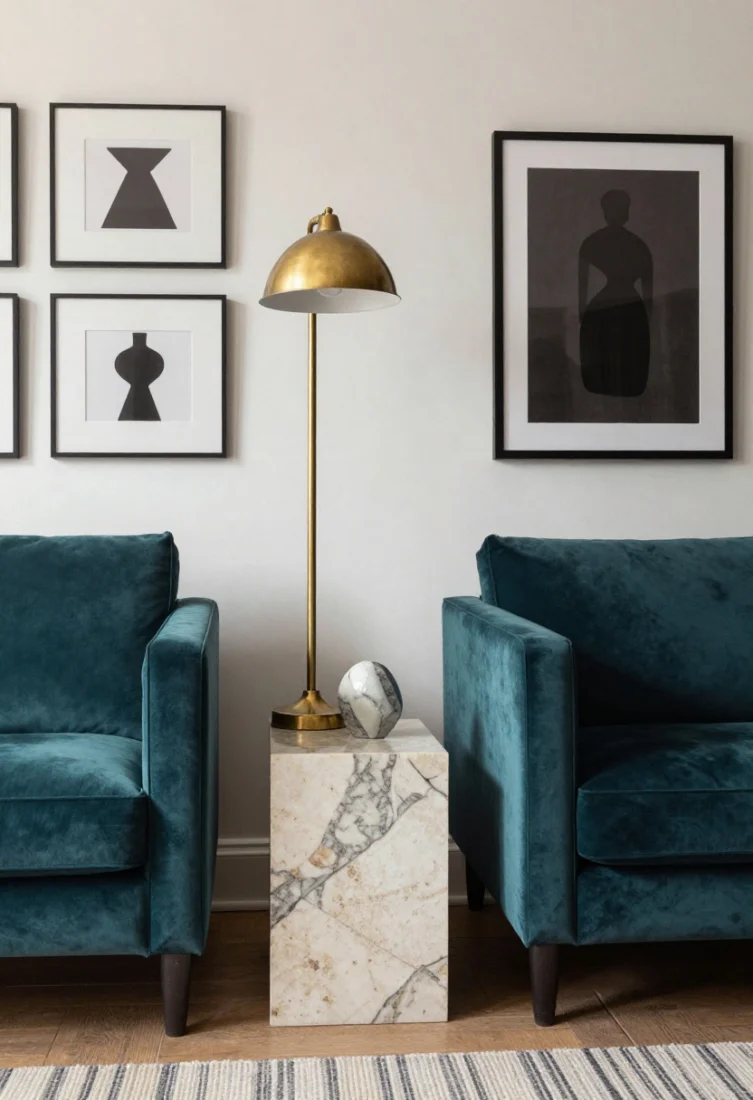
Bring polish to exuberant rooms with the quiet luxury of patinated brass, blackened steel, travertine, and veined marbles. These materials add gravitas and reflect light in nuanced ways. Use metals sparingly yet decisively—table bases, picture frames, lamp stems—so they read as jewelry, not armor.
Why It Works
- Contrast and temperature: Warm brass against cool marble feels balanced and rich.
- Longevity: Natural stone and real metals age gracefully—premium maximalism.
- Light play: Honed stone absorbs; polished surfaces bounce—layer both.
How to Try It
- Introduce a travertine side table beside a velvet sofa for tactile contrast.
- Use mixed-metal picture lights in a gallery hall for quiet shine.
- Shop categories: side tables, console tables, lamps, hardware.
Avoid: Too many bright, mirror-polish metals together. Mix finishes for nuance.
10) Dramatic Drapery and Layered Window Treatments
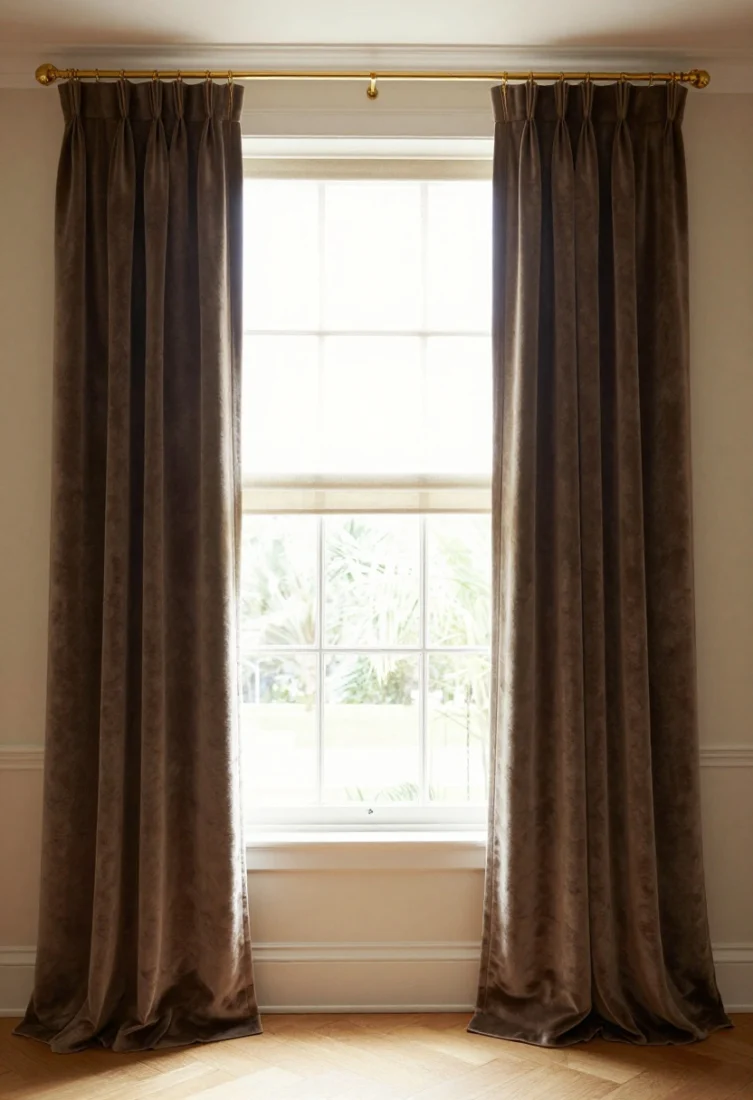
In maximalist rooms, windows are stages. Floor-kissing velvet curtains, Roman shades in embroidered linen, and subtle sheers create depth and control light. Add contrast banding or bold trims to define edges and repeat room colors.
Why It Works
- Scale: Full-height drapery elongates walls and frames views.
- Texture layering: Sheers diffuse glare; thicker panels add acoustic softness.
- Color echo: Banding ties drapery to upholstery and rugs.
How to Try It
- Mount rods high and wide to maximize window size; use generous fullness (2–2.5x).
- Combine blackout lining in bedrooms with a light-filtering underlayer.
- Shop categories: drapery hardware, custom panels, Roman shades, trims.
Avoid: Floating curtain hems. Let them just “kiss” the floor for polish.
11) Bold Bedrooms: Headboards, Canopies, and Saturated Bedding
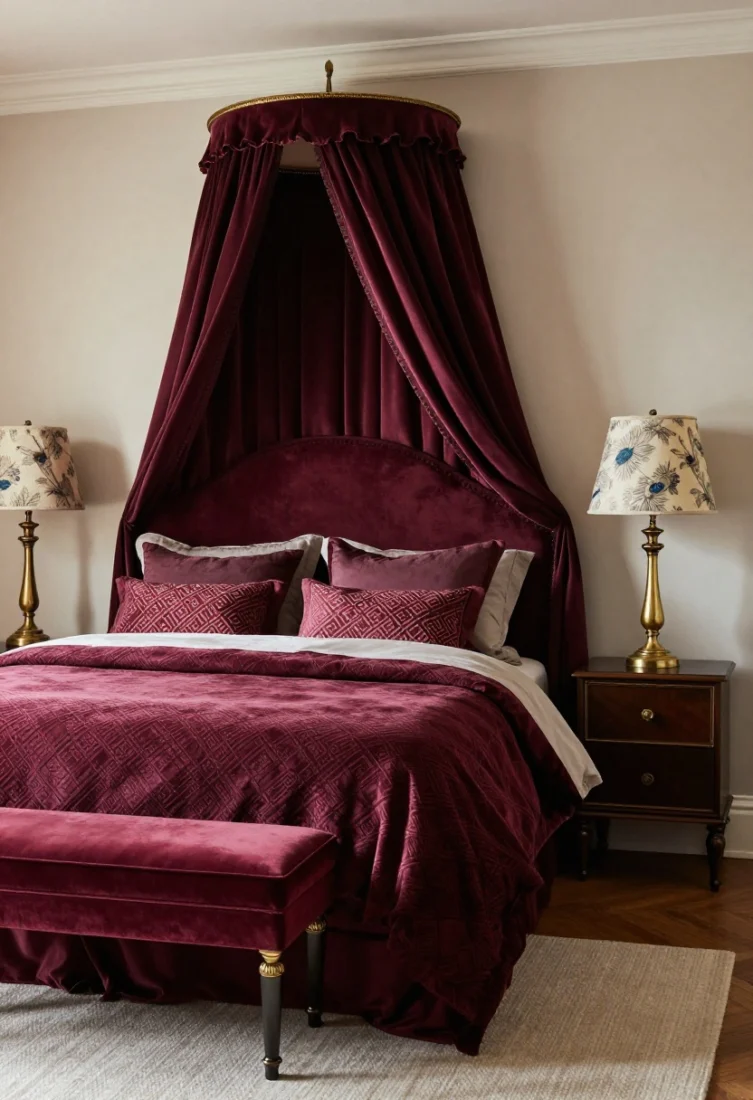
Bedrooms invite fearlessness with textiles. An upholstered or caned headboard reaching near-ceiling height, draped canopies with contrasting linings, and saturated duvets or quilts transform the bed into a sculptural focal point. Pair with patterned lampshades and skirted nightstands to soften geometry.
Why It Works
- Proportion: Tall headboards or canopies anchor the composition of nightstands and lamps.
- Comfort: Layers of quilts, throws, and pillows add richness and real warmth.
- Pattern placement: Concentrating pattern at the headboard balances calmer walls—or vice versa.
How to Try It
- Choose a solid velvet headboard, pair with patterned bedding and lampshades in a linked palette.
- Echo the headboard color in a bench or rug border.
- Shop categories: headboards, bed canopies, bedding, bedside lamps.
Avoid: Overstuffed pillow piles that hide the headboard’s lines. Edit for silhouette.
12) Maximalist Dining: Layer the Table, Elevate the Ritual
Dining rooms shine with exuberant table settings that shift by season. Mix patterned tablecloths, colored glassware, vintage flatware, pleated shades on candlesticks, and sculptural centerpieces. Surround with upholstered dining chairs in a saturated mohair or patterned performance fabric for durability and impact.
Why It Works
- Rhythm: Repeated shapes (scallops, stripes) across linens and dishware create cohesion.
- Lighting: Dimmers and low, warm candles make bold rooms intimate.
- Material balance: Mix reflective glass, matte ceramics, and metal accents.
How to Try It
- Pick a theme hue—saffron, peacock, or claret—and repeat it in napkins and glassware.
- Use a low, elongated centerpiece so sightlines remain clear.
- Shop categories: dining chairs, table linens, candlesticks, artful serveware.
Avoid: A single flat centerpiece. Vary height with a trio for sculptural interest.
Conclusion: Bold, But Never Random
Maximalist Style 2026 isn’t about more for its own sake—it’s about layers with logic. Saturation, pattern, and personality become powerful when they follow principles of scale, contrast, and flow. Start with one heroic move—a lacquered ceiling, a velvet sofa, or a patterned floor—then build supporting layers that repeat colors and echo textures. Edit like a curator, light like a director, and finish with details that feel personal and rare. That’s how you achieve bold rooms that still breathe.
FAQ
How do I keep maximalism from feeling cluttered?
Establish anchors (a bold rug, a large sofa, a statement light), repeat a tight color palette, and cluster collections instead of scattering. Use built-ins, trays, and plinths to give objects boundaries. Negative space is part of the composition.
What’s the easiest first step for a beginner?
Paint a small room in a saturated hue and add one oversized light fixture. Then layer textiles—rug, curtains, and pillows—in a consistent palette. This yields big impact with minimal risk.
Can maximalism work in small apartments?
Absolutely. Use vertical scale (tall headboards, high-hung curtains), reflective finishes to bounce light, and a consistent wall color to unify rooms. Choose a few strong moves rather than many small gestures for clarity and drama.
Recommended Products
Disclosure: As an Amazon Associate, this site may earn from qualifying purchases.
These affiliate-ready categories are broad, safe shopping prompts readers can use to build the look without fake pricing or made-up reviews.
- High-sheen ceilings — Amplifies light and height for saturated rooms
- Hero wall pattern — Sets scale and color for pattern mixing
- Monumental lighting — Anchors rooms and adds layered illumination
- Luxe upholstery — Adds plush texture and deep color saturation
- Salon hang tools — Organizes mixed art with cohesive mats and sizes
Shop the Look on Amazon: Give readers a fast path from inspiration to action.
Find Your Style
Answer each question to unlock a quick designer tip for your space.
1. Which change makes a bedroom feel elevated the fastest?
2. What usually makes this style feel more expensive?
3. If you want guests to stay longer, what should you improve first?
Love this style? Get fresh decor ideas every week
Subscribe for weekly home decor trends, room ideas, and curated product inspiration.
What would you try first?
Invite readers to comment with their favorite idea, their room challenge, or the one update they want to copy from 12 Bold Home Decor Ideas (maximalist Style 2026) You’ll Want to Steal.
Tell us in the comments: Which tip fits your home best right now, and what room should we cover next?
What’s new in home decor
Give readers a reason to come back tomorrow: fresh room ideas, new styling trends, and practical product inspiration.
- 14 Apple Green Home Decor Ideas (fresh Pinterest Trend 2026)
- 14 Cottagecore Garden Ideas (cozy Outdoor Spaces You’ll Love)
- Small Space Decor That Feels Luxury: 7 High-impact Design Moves
- 15 Scandinavian Dining Room Ideas That Feel Minimal and Bright—but Never Boring
Return daily: refresh your feed, browse new decor ideas, and keep building your next room upgrade step by step.
Some content on this website is created with AI assistance and carefully reviewed and edited by the Nekig team to ensure quality and accuracy.
💬 Join Our Small Space Living & Decor Community
Get daily apartment decor ideas, smart storage hacks, and budget-friendly inspiration from thousands of small space lovers.
👉 Join the Facebook Group
[…] 12 Bold Home Decor Ideas (maximalist Style 2026) You’ll Want to Steal […]